
Cosmetic Gynecology
Who Is a Good Candidate for Cosmetic Gynecology Procedures?

Cosmetic gynecology has become an increasingly popular field of modern medicine, helping women address concerns related to the appearance, function, and comfort of the intimate area. Many women experience changes in their bodies due to childbirth, aging, genetics, or hormonal shifts. These changes can sometimes affect confidence, sexual wellness, hygiene, or physical comfort.
Because of these concerns, many women ask an important question: Who is a good candidate for cosmetic gynecology procedures?
Understanding whether someone is a suitable candidate is essential before considering treatments such as labiaplasty, vaginoplasty, hymenoplasty, laser vaginal rejuvenation, clitoral hood reduction, or pelvic floor reconstruction.
This comprehensive guide explains who qualifies for cosmetic gynecology procedures, the factors doctors consider, common conditions treated, and how patients can determine whether these procedures are right for them.
Understanding Cosmetic Gynecology
Cosmetic gynecology refers to medical and aesthetic procedures designed to improve the appearance and functionality of the female genital area. These treatments may be surgical or non-surgical and are performed by experienced cosmetic gynecologists or plastic surgeons.
Unlike traditional gynecology, which focuses on reproductive health and disease treatment, cosmetic gynecology aims to address concerns such as:
- Vaginal looseness
- Enlarged or asymmetrical labia
- Loss of vaginal tone
- Reduced sexual satisfaction
- Intimate aesthetic concerns
- Post-childbirth changes
The goal is to improve comfort, confidence, and quality of life.
What Makes Someone a Good Candidate for Cosmetic Gynecology?
A good candidate for cosmetic gynecology procedures is typically a woman who experiences physical discomfort, aesthetic concerns, or functional issues related to the vaginal area and wants safe medical solutions.
Doctors evaluate several factors before recommending treatment.
Physical Health
A candidate should generally be in good overall health.
This helps ensure:
- Safe surgical procedures
- Proper healing
- Reduced risk of complications
Women with uncontrolled medical conditions may need to address those issues before undergoing cosmetic gynecology procedures.
Realistic Expectations
A good candidate understands that cosmetic gynecology procedures aim to improve appearance and function, but they cannot create unrealistic or artificial outcomes.
Patients should have realistic expectations about:
- Surgical results
- Recovery time
- Long-term outcomes
Clear communication with the surgeon is essential.
Emotional Readiness
Cosmetic procedures should be chosen voluntarily and for personal reasons, not due to external pressure.
A good candidate:
- Feels emotionally comfortable with the decision
- Understands the procedure
- Is mentally prepared for recovery
Doctors often encourage patients to carefully consider their goals before surgery.
Women Who Commonly Consider Cosmetic Gynecology Procedures
Certain groups of women are more likely to seek cosmetic gynecology procedures because they experience specific physical or functional concerns.
Women After Childbirth
Childbirth is one of the most common reasons women consider cosmetic gynecology procedures.
During pregnancy and delivery, vaginal tissues and muscles can stretch significantly.
Some women experience:
- Vaginal laxity
- Weak pelvic floor muscles
- Labial stretching
- Reduced sexual sensation
Procedures such as vaginoplasty or pelvic floor reconstruction can help restore vaginal tone and strength.
Women Experiencing Vaginal Laxity
Vaginal laxity refers to the loosening of vaginal muscles and tissues.
This condition can occur due to:
- Childbirth
- Aging
- Hormonal changes
Women who feel that vaginal looseness affects their comfort or sexual satisfaction may consider vaginal tightening procedures.
Women With Enlarged or Asymmetrical Labia
Some women naturally have larger or uneven labia.
This condition can lead to:
- Irritation during exercise
- Discomfort while cycling
- Difficulty wearing tight clothing
- Self-consciousness about intimate appearance
Procedures like labiaplasty reshape the labia to improve both comfort and aesthetics.
Women Experiencing Vaginal Dryness or Reduced Elasticity
Hormonal changes, especially during menopause, may cause vaginal tissues to become thinner and less elastic.
This can lead to:
- Vaginal dryness
- Discomfort during intimacy
- Loss of vaginal firmness
Non-surgical treatments such as laser vaginal rejuvenation or radiofrequency therapy can improve tissue health and elasticity.
Women Seeking Intimate Aesthetic Enhancement
Some women consider cosmetic gynecology procedures purely for aesthetic reasons.
They may want to:
- Improve the appearance of the labia
- Restore youthful tissue appearance
- Achieve better symmetry
These procedures can significantly improve body confidence and self-esteem.
Women Experiencing Pelvic Floor Weakness
Weak pelvic floor muscles can lead to issues such as:
- Urinary leakage
- Pelvic organ prolapse
- Reduced vaginal support
Pelvic floor reconstruction procedures help strengthen and restore these structures.
Women Interested in Sexual Wellness Improvement
Some cosmetic gynecology procedures aim to improve sexual satisfaction and sensitivity.
Treatments such as:
- Vaginal tightening surgery
- PRP therapy
- G-spot augmentation
may enhance sexual sensation for some patients.
Who May Not Be a Good Candidate?
Although many women can benefit from cosmetic gynecology procedures, some individuals may need to postpone or avoid treatment.
Women With Certain Medical Conditions
Patients with uncontrolled conditions such as:
- Severe heart disease
- Bleeding disorders
- Active infections
may not be suitable candidates until these conditions are treated.
Women With Unrealistic Expectations
Patients expecting perfect or dramatic transformation may need additional counseling before considering surgery.
Doctors focus on natural, balanced improvements.
Women Who Are Pregnant
Pregnant women should wait until after childbirth and full recovery before considering cosmetic gynecology procedures.
Common Cosmetic Gynecology Procedures for Suitable Candidates
Women who qualify for cosmetic gynecology procedures may choose from several treatment options.
Labiaplasty
Labiaplasty reduces or reshapes the labia minora or labia majora.
It is ideal for women experiencing:
- Enlarged labia
- Labial asymmetry
- Physical irritation
Benefits include improved comfort and aesthetic appearance.
Vaginoplasty
Vaginoplasty tightens vaginal muscles and tissues.
It is commonly chosen by women experiencing vaginal laxity after childbirth or aging.
Benefits include improved vaginal firmness and enhanced sexual confidence.
Hymenoplasty
Hymenoplasty reconstructs the hymen.
Women may choose this procedure for personal, cultural, or psychological reasons.
Clitoral Hood Reduction
This procedure removes excess tissue covering the clitoris.
It can improve both appearance and sensitivity.
Laser Vaginal Rejuvenation
Laser treatments stimulate collagen production and tighten vaginal tissues.
These procedures are non-surgical with minimal downtime.
Pelvic Floor Reconstruction
This procedure repairs weakened pelvic muscles and restores vaginal support.
It is often recommended for women experiencing pelvic organ prolapse or urinary leakage.
Benefits of Cosmetic Gynecology Procedures
Women who are good candidates for cosmetic gynecology procedures may experience several benefits.
Improved Physical Comfort
Procedures like labiaplasty can eliminate irritation and discomfort.
Enhanced Intimate Confidence
Many women feel more confident about their bodies after treatment.
Improved Sexual Satisfaction
Vaginal tightening procedures may improve sensation for some patients.
Functional Improvements
Some procedures address medical conditions such as pelvic floor weakness or urinary leakage.
Recovery and Healing
Recovery time depends on the specific procedure performed.
Typical healing stages include:
First few days
Mild swelling and minor discomfort
First two weeks
Healing continues and swelling decreases
Four to six weeks
Most patients return to normal activities
Doctors typically recommend avoiding sexual activity and strenuous exercise during the initial healing period.
Safety of Cosmetic Gynecology Procedures
When performed by qualified specialists, cosmetic gynecology procedures are generally safe and effective.
However, as with any medical procedure, there may be potential risks such as:
- Temporary swelling
- Mild bleeding
- Infection
- Minor scarring
Choosing an experienced cosmetic gynecologist significantly reduces these risks.
How to Know If You Are a Good Candidate
The best way to determine whether you are a suitable candidate is through a professional consultation.
During the consultation, the doctor evaluates:
- Medical history
- Physical concerns
- Treatment goals
- Expected outcomes
Based on this evaluation, a personalized treatment plan is created.
Frequently Asked Questions
Who is the ideal candidate for cosmetic gynecology procedures?
Women who are healthy, have realistic expectations, and experience physical or aesthetic concerns related to the vaginal area may be ideal candidates.
Can cosmetic gynecology procedures help after childbirth?
Yes. Many women choose procedures such as vaginoplasty or pelvic floor reconstruction to restore vaginal tone after childbirth.
Are non-surgical treatments suitable for everyone?
Non-surgical treatments may be suitable for women with mild to moderate concerns.
Is cosmetic gynecology only for aesthetic reasons?
No. Many procedures also improve comfort, function, and sexual wellness.
How long do results last?
Surgical procedures usually provide long-lasting results, while non-surgical treatments may require maintenance sessions.
Is age a factor in candidacy?
Cosmetic gynecology procedures are typically performed on adult women of various ages.
Do these procedures affect fertility?
Most cosmetic gynecology procedures do not affect fertility.
Final Thoughts
Cosmetic gynecology procedures are designed to help women improve comfort, confidence, and intimate wellness. A good candidate is typically a woman who is healthy, emotionally prepared, and seeking solutions for physical or aesthetic concerns related to the vaginal area.
Whether the goal is restoring vaginal tone after childbirth, reshaping the labia, or improving sexual wellness, modern cosmetic gynecology offers safe and effective treatment options.
If you are considering cosmetic gynecology procedures and would like expert advice, professional care, and confidential consultation, you can contact @cosmeticgynecologyclinic to learn more about available treatments and personalized options.
In recent years, the term “Barbie Look” in cosmetic gynecology has become increasingly popular among women seeking aesthetic genital enhancement. Many patients ask, “What is the Barbie Look in cosmetic gynecology?” and how it differs from standard procedures. This article provides a comprehensive, fully original, human-written guide, explaining the concept, procedures involved, benefits, risks, and options for achieving this look safely.
Introduction
The “Barbie Look” is a marketing term in cosmetic gynecology referring to a youthful, symmetrical, and aesthetically enhanced genital appearance. Inspired by social media and aesthetic ideals, it combines several surgical and non-surgical procedures to achieve:
- Slim, symmetrical labia minora and majora
- Toned vaginal canal with increased tightness
- Smooth, scar-free perineum
- Enhanced clitoral and labial aesthetics
The Barbie Look is part of a growing trend in genital aesthetics, designed to improve both appearance and confidence.
Anatomy Relevant to the Barbie Look
Understanding the anatomy of the female genitalia is essential:
- Labia minora: Inner lips, can vary in size, color, and shape
- Labia majora: Outer lips, typically fuller and covered with hair
- Clitoris and clitoral hood: Sensitive structures contributing to sexual pleasure
- Vaginal opening (introitus) and canal: Can be tightened or rejuvenated
- Perineum: Tissue between vaginal opening and anus, often repaired postpartum
Cosmetic procedures for the Barbie Look target symmetry, contour, and tissue volume across these structures.
Key Features of the Barbie Look
- Symmetrical Labia Minora
- Reduction of enlarged or asymmetric inner lips
- Techniques: Trim method, Wedge method
- Smooth, uniform contour
- Full, Toned Labia Majora
- Restoration of volume using fat grafts or fillers
- Improves balance between labia majora and minora
- Tight Vaginal Canal (Vaginoplasty)
- Corrects vaginal laxity caused by childbirth or aging
- Improves sexual satisfaction and pelvic floor support
- Perineal Aesthetics
- Perineoplasty restores natural shape and smoothens scars
- Important for postpartum reconstruction
- Enhanced Clitoral Hood Appearance (Hoodoplasty)
- Reduces excess skin for a more defined clitoral area
- Enhances aesthetics and sensitivity
- Smooth, Scar-Free Appearance
- Laser or surgical techniques ensure minimal scarring
- Uniform pigmentation and texture
Procedures Commonly Combined in the Barbie Look
Achieving the Barbie Look often involves a combination of cosmetic gynecology procedures:
1. Labiaplasty (Labia Minora Reduction)
- Reduces overly large or asymmetric inner lips
- Techniques: Trim, Wedge, or Hybrid methods
- Restores symmetry, comfort, and appearance
2. Labia Majora Augmentation
- Restores volume lost due to aging, childbirth, or weight loss
- Methods: Fat grafting or injectable fillers
- Provides a youthful, plump contour
3. Vaginoplasty / Vaginal Tightening
- Corrects vaginal laxity
- Improves sexual satisfaction, pelvic support, and tone
- Can be combined with pelvic floor reconstruction
4. Perineoplasty
- Reconstructs perineal tissue after childbirth or tears
- Smoothens scar tissue and restores natural shape
5. Hoodoplasty (Clitoral Hood Reduction)
- Reduces excess clitoral hood tissue
- Enhances visibility and aesthetics of clitoris
6. Non-Surgical Options
- Laser rejuvenation for tone and tissue health
- Radiofrequency treatments to stimulate collagen
- Hyaluronic acid fillers for labial contour
Who Seeks the Barbie Look?
Women considering the Barbie Look often:
- Experience labial asymmetry or hypertrophy
- Notice vaginal laxity post-childbirth
- Desire enhanced genital aesthetics for personal confidence
- Want postpartum restoration or anti-aging genital treatments
Important: The Barbie Look is a personal choice, not a medical necessity. Patients should have realistic expectations and informed consent.
Psychological and Emotional Impact
- Improved self-esteem and body confidence
- Enhanced sexual satisfaction and intimacy
- Relief from physical discomfort caused by labial hypertrophy or vaginal laxity
- Reduced psychological distress over appearance
Studies indicate women who undergo Barbie Look procedures often report high satisfaction and improved quality of life.
Risks and Considerations
As with any cosmetic procedure, there are potential risks:
- Mild swelling, bruising, or discomfort post-surgery
- Scar tissue formation (usually minimal with expert surgeons)
- Temporary changes in sensation
- Infection (rare)
- Minor asymmetry may persist
Key: Choosing an experienced cosmetic gynecologist ensures safe, natural-looking results.
Recovery After Barbie Look Procedures
- Mild discomfort, swelling, or bruising for 1–2 weeks
- Avoid sexual activity, heavy exercise, and tight clothing for 4–6 weeks
- Sutures often dissolve naturally
- Follow-up appointments ensure optimal healing and aesthetic outcome
Barbie Look and Childbirth
- Procedures can correct postpartum changes such as:
- Vaginal laxity
- Labial asymmetry
- Perineal scars
- Loss of labial volume
- Timing is important: typically performed 6–12 months after delivery
Barbie Look Trends Globally
- Popular in USA, Europe, UAE, and Pakistan
- Social media influence contributes to rising demand
- Global cosmetic gynecology clinics report increasing interest among postpartum women and women seeking aesthetic genital enhancement
Choosing the Right Surgeon
- Look for board-certified plastic or cosmetic gynecology surgeons
- Evaluate experience with combined procedures
- Discuss realistic goals, recovery, and risks
- Ensure clinics follow high standards of safety and hygiene
Cosmetic Gynecology Clinics in Islamabad & Rawalpindi
Aesthedoc Islamabad
- Instagram: @aesthe_doc
- F11 Markaz Islamabad
- Contact: 03337277272
- Email: info@aesthedoc.com
- Website: www.aesthedoc.com
Aesthedoc Clinic Rawalpindi
- Instagram: @aesthedocclinic
- 3rd Floor, Rajas United Heights, Opposite Future World School, Bahria Town Phase 8, Rawalpindi
- Contact: 03007706050
- Email: info@aesthedocclinic.com
- Website: www.aesthedocclinic.com
Dr Nadiya Tariq – Plastic Surgeon
- FCPS (Plastic Surgery) – College of Physicians & Surgeons Pakistan (CPSP), 2025
- MBBS – University of Health Sciences (UHS), Lahore, 2016
- PMDC & IMC Registered
Dr Nadiya Tariq combines functional reconstruction with aesthetic enhancement, offering customized Barbie Look procedures for safe, effective, and patient-centered care.
Cost Considerations
- Cost depends on procedure complexity and combination
- Single procedures vs. full Barbie Look packages differ in pricing
- Surgeon experience and clinic facilities impact total cost
- Consultation ensures transparent pricing and personalized plan
Key Takeaways
- The Barbie Look is a cosmetic gynecology trend focused on aesthetic genital enhancement
- Combines labia reduction, labia majora augmentation, vaginoplasty, perineoplasty, and hoodoplasty
- Corrects postpartum or age-related changes while improving aesthetics
- Safe, effective results depend on experienced surgeons and proper patient selection
- Enhances confidence, sexual satisfaction, and comfort
Childbirth is one of the most significant events in a woman’s life, but it often raises questions about physical changes to the vagina. Many women wonder, “Can childbirth change the appearance of my vagina permanently?” This article provides a comprehensive, fully original, human-written guide explaining the effects of pregnancy and delivery on the vagina, normal variations, functional changes, and cosmetic solutions.
Introduction
Childbirth, especially vaginal delivery, can impact the appearance, elasticity, and function of the vaginal and perineal tissues. Changes may range from minor asymmetry or stretching to more noticeable alterations that affect aesthetics, function, or sexual satisfaction.
Understanding these changes is important for:
- Reassuring women about natural variations
- Identifying when medical or cosmetic intervention is appropriate
- Maintaining sexual health and pelvic function
Anatomy of the Vagina and Surrounding Structures
The vagina is a muscular canal extending from the vulva to the cervix, supported by the pelvic floor muscles, fascia, and ligaments. Surrounding structures include:
- Labia majora and labia minora – external genital lips
- Clitoral hood and clitoris – sexual sensitivity and aesthetics
- Perineum – tissue between the vaginal opening and anus
- Pelvic floor muscles – support bladder, uterus, and rectum
Pregnancy and delivery impact these structures differently, depending on delivery type, duration, and complications.
How Childbirth Can Change Vaginal Appearance
1. Stretching of Vaginal Tissues
- During delivery, the vaginal canal stretches to accommodate the baby.
- Stretching can cause:
- Wider vaginal opening
- Looser vaginal walls
- Minor asymmetry of labia or perineum
2. Perineal Tears and Episiotomy
- Episiotomy: A surgical cut in the perineum to aid delivery
- Perineal tears: Natural tears occur in many vaginal deliveries
- Healing can result in:
- Scar tissue formation
- Slightly altered appearance of perineum
- Changes in labial symmetry or tissue texture
3. Changes in Labial Appearance
- Labia may elongate or swell during delivery
- Minor differences in labial size or shape may persist
- Labia majora may lose volume postpartum
4. Vaginal Prolapse
- Occurs when pelvic organs descend due to weakened support
- May lead to bulging at the vaginal opening
- Often associated with multiple vaginal deliveries or difficult labor
5. Changes in Vaginal Tone
- Vaginal walls and pelvic floor muscles may lose elasticity
- Can lead to vaginal laxity, affecting sexual satisfaction and sensation
Is Vaginal Change Permanent?
- Some changes are temporary, as tissues gradually recover in 6–12 months postpartum.
- Permanent changes include:
- Minor labial asymmetry
- Scar tissue from tears or episiotomy
- Changes in perineal contour
- Vaginal laxity or mild prolapse
Key point: Most women retain functional and sexual health, but aesthetic or structural changes may persist in some cases.
Functional Effects of Childbirth on the Vagina
Childbirth can impact:
- Sexual function: Mild vaginal laxity may reduce friction
- Urinary function: Stress urinary incontinence may occur
- Bowel function: Rarely, rectocele or difficulty with bowel movements
- Pelvic support: Risk of prolapse increases with vaginal delivery
Psychological Impact of Vaginal Changes
Women may feel:
- Self-conscious about vaginal appearance
- Anxiety regarding sexual attractiveness or satisfaction
- Concern about intimacy and confidence
Education, counseling, and reassurance can help women accept natural variations and decide whether cosmetic intervention is desired.
Cosmetic Gynecology Solutions After Childbirth
For women seeking aesthetic or functional restoration, cosmetic gynecology offers multiple options:
1. Vaginoplasty (Vaginal Tightening)
- Restores vaginal tone and elasticity
- Tightens vaginal walls and perineum
- Enhances sexual satisfaction and functional comfort
2. Perineoplasty
- Repairs and reconstructs the perineal body
- Smooths scar tissue from tears or episiotomy
- Restores natural contour and aesthetics
3. Labial Procedures
- Labiaplasty: Reduces or reshapes labia minora for symmetry and comfort
- Labia majora augmentation: Adds volume to restore youthful contour
- Corrects minor asymmetry caused by childbirth
4. Pelvic Floor Reconstruction
- Strengthens muscles supporting the bladder, uterus, and rectum
- Addresses prolapse, vaginal laxity, and stress incontinence
- Can be combined with aesthetic genital procedures
Non-Surgical Options
- Laser vaginal rejuvenation: Tightens vaginal tissue without surgery
- Radiofrequency treatments: Stimulates collagen and tissue regeneration
- Injectable fillers: Restore labial volume or smooth asymmetry
These options offer minimal downtime and are suitable for women seeking non-invasive enhancement.
Factors Influencing Vaginal Recovery
- Age and tissue elasticity – younger women often heal faster
- Number of deliveries – multiple vaginal births may increase laxity
- Delivery method – cesarean section generally preserves vaginal anatomy
- Genetic factors – affect labial size, pigmentation, and tissue resilience
- Postpartum care – pelvic floor exercises aid recovery
Tips for Postpartum Vaginal Health
- Kegel exercises: Strengthen pelvic floor muscles
- Maintain hygiene: Prevent irritation and infection
- Monitor healing: Observe perineal scars or labial changes
- Healthy lifestyle: Proper nutrition and hydration support tissue repair
- Consult a specialist: For persistent discomfort, prolapse, or cosmetic concerns
When to Seek Medical Advice
See a gynecologist or cosmetic gynecology specialist if:
- Vaginal laxity affects sexual satisfaction
- Persistent pain or discomfort during intercourse
- Scars or tears cause irritation
- Prolapse or bulging at vaginal opening
- Emotional distress about appearance or function
Professional assessment ensures functional integrity and personalized solutions.
Cosmetic Gynecology Clinics in Islamabad & Rawalpindi
Aesthedoc Islamabad
- Instagram: @aesthe_doc
- F11 Markaz Islamabad
- Contact: 03337277272
- Email: info@aesthedoc.com
- Website: www.aesthedoc.com
Aesthedoc Clinic Rawalpindi
- Instagram: @aesthedocclinic
- 3rd Floor, Rajas United Heights, Opposite Future World School, Bahria Town Phase 8, Rawalpindi
- Contact: 03007706050
- Email: info@aesthedocclinic.com
- Website: www.aesthedocclinic.com
Dr Nadiya Tariq – Plastic Surgeon
- FCPS (Plastic Surgery) – College of Physicians & Surgeons Pakistan (CPSP), 2025
- MBBS – University of Health Sciences (UHS), Lahore, 2016
- PMDC & IMC Registered
Dr Nadiya Tariq combines functional reconstruction with aesthetic enhancement, providing safe, effective, and patient-centered care for postpartum women.
Cost Considerations
Factors affecting cost include:
- Type of procedure (vaginoplasty, perineoplasty, labiaplasty, fillers)
- Complexity of surgery and anesthesia requirements
- Combination with other pelvic floor or aesthetic procedures
- Surgeon experience and facility standards
Consultation ensures transparent pricing and customized treatment plans.
Recovery After Postpartum Vaginal Cosmetic Surgery
- Mild swelling, bruising, or discomfort for 1–2 weeks
- Avoid sexual activity, heavy exercise, and tight clothing for 4–6 weeks
- Sutures dissolve naturally, and follow-up visits monitor healing
- Physical therapy or pelvic floor exercises may aid recovery
Key Takeaways
- Childbirth can temporarily or permanently alter vaginal appearance, including labial changes, perineal scars, and mild laxity.
- Most changes are normal and functional, with minor asymmetry common.
- Cosmetic gynecology offers surgical and non-surgical solutions for functional and aesthetic restoration.
- Professional consultation ensures safe, personalized, and effective treatment.
- Postpartum care, pelvic exercises, and awareness of normal variations are essential for vaginal health and confidence.

Many women ask, “Is my labia size normal?”—a question that is both common and natural. The labia, part of the female external genitalia, vary greatly in size, shape, and color, and understanding what is normal can help relieve anxiety, guide cosmetic decisions, and address functional concerns.
Understanding the Labia
The labia are part of the vulva, the external female genitalia. They include:
- Labia majora: The outer “lips” of the vulva, usually covered with hair in adulthood.
- Labia minora: The inner lips, thinner and often more variable in size, shape, and color.
- Clitoral hood: The fold of skin covering the clitoris, sometimes called the prepuce.
- Vaginal opening (introitus): The entrance to the vagina, surrounded by labia and the perineum.
Understanding these anatomical structures is essential to evaluate normalcy, asymmetry, and function.
Factors Affecting Labia Size
Labia size varies widely due to multiple factors:
- Genetics: Family traits determine labial thickness, length, and pigmentation.
- Age: Labia may change shape over time, particularly after puberty, childbirth, or menopause.
- Hormones: Estrogen influences tissue elasticity and labial volume.
- Childbirth: Vaginal deliveries may stretch or alter labial shape.
- Weight changes: Labia majora may appear larger with increased fat deposition.
- Surgical procedures: Prior labiaplasty or cosmetic surgeries can affect size and symmetry.
Average Labia Size – What Science Says
Studies reveal a wide range of labial sizes, highlighting that variability is normal:
- Labia minora length: Typically ranges from 2 mm to 70 mm, measured from the base to the tip.
- Labia minora width: Ranges from 2 mm to 25 mm.
- Labia majora: More variable, often symmetrical, ranging in length from 6 cm to 12 cm in adults.
Key takeaway: There is no single “ideal” size. Labia naturally differ in length, width, color, and symmetry, and minor asymmetry is completely normal.
Common Questions About Labia Size
1. Is it normal for one labia to be larger than the other?
Yes. Asymmetry between labia minora or majora is extremely common. Mild differences are normal and do not affect function or health.
2. What about long labia minora?
Some women have labia minora that extend beyond the labia majora. This is normal as long as it does not cause discomfort during clothing wear, exercise, or intercourse.
3. Do labia change over time?
Yes. Labia may shrink after menopause due to lower estrogen levels or stretch after childbirth. Weight fluctuations can also alter appearance.
4. Can labia size affect sexual function?
In most cases, labial size does not affect sexual pleasure. Only in cases of extreme hypertrophy causing discomfort or irritation may intervention be considered.
When Labia Size May Be a Concern
While most labia variations are normal, surgery or medical consultation may be considered if:
- Persistent discomfort during exercise or sexual activity
- Chafing or irritation caused by labial overgrowth
- Self-consciousness or psychological distress
- Functional interference with urination or hygiene
- Desire for symmetry or aesthetic improvement
Cosmetic Options for Labia
1. Labiaplasty
Labiaplasty is a surgical procedure to reshape or reduce the labia minora or majora. Techniques include:
- Trim method: Removes excess tissue along the edge
- Wedge method: Removes a triangular portion while preserving natural contour
2. Labia Majora Augmentation
- Uses fat grafts or fillers to restore volume and symmetry
- Can enhance genital aesthetics, particularly after childbirth or weight loss
3. Non-surgical Options
- Laser treatments may improve skin tone and elasticity
- Minimal recovery and reduced surgical risk
Psychological Impact of Labia Concerns
Concerns about labia size can affect:
- Self-esteem and body image
- Sexual confidence and intimacy
- Social anxiety regarding vulva appearance in intimate situations
Studies indicate education and counseling can relieve distress and help women accept natural variations.
How to Measure Labia Size
For personal knowledge or preoperative consultation:
- Labia minora length: Measure from base to tip along the longest edge.
- Labia minora width: Measure from inner edge to outer edge at the widest point.
- Labia majora length: Measure from anterior to posterior ends.
Important: Home measurements are approximate. Surgeons use professional assessment for planning interventions.
Labia Size Across Ethnicities
Research shows variation in labial size and shape across populations, emphasizing that “normal” is relative:
- Labia minora may be naturally larger in some ethnic groups
- Skin color and pigmentation vary significantly
- Slight asymmetry is universal and normal
Functional Considerations
Labia size can influence:
- Hygiene: Excess tissue may trap moisture but is usually manageable
- Urination: Rarely obstructive unless labia are extremely hypertrophic
- Exercise: Discomfort may occur with tight clothing
- Sexual activity: Mostly unaffected; labial tissue contributes to sexual pleasure and sensitivity
Pediatric and Adolescent Labia
- Labia change significantly during puberty
- Minor asymmetry and variability are common
- Cosmetic intervention is rarely recommended until full maturity
Pregnancy and Childbirth
- Vaginal deliveries may stretch or tear labial tissue
- Postpartum labia may appear longer or asymmetric
- Natural recovery occurs in many women, though labiaplasty is an option for persistent discomfort
Aging and Menopause
- Decreased estrogen leads to labial atrophy and thinning
- Labia may shrink in length or volume
- Cosmetic or functional interventions may be considered for comfort and aesthetics
When to Consult a Surgeon
Consider consultation if:
- Labia cause physical discomfort
- There is psychological distress or embarrassment
- Functional interference with sexual activity, urination, or hygiene
- Interest in cosmetic improvement or reconstruction
Cosmetic Gynecology Clinics in Islamabad & Rawalpindi
Aesthedoc Islamabad
- Instagram: @aesthe_doc
- F11 Markaz Islamabad
- Contact: 03337277272
Aesthedoc Clinic Rawalpindi
- Instagram: @aesthedocclinic
- 3rd Floor, Rajas United Heights, Opposite Future World School, Bahria Town Phase 8, Rawalpindi
- Contact: 03007706050
Dr Nadia Tariq – Plastic Surgeon
- FCPS (Plastic Surgery) – College of Physicians & Surgeons Pakistan (CPSP), 2025
- MBBS – University of Health Sciences (UHS), Lahore, 2016
- PMDC & IMC Registered
Dr Nadia Tariq combines functional reconstruction with aesthetic enhancement, providing safe, effective, and patient-centered care.
Cost Considerations
Labia surgery or cosmetic intervention costs vary based on:
- Procedure type (trim, wedge, augmentation)
- Complexity and anesthesia requirements
- Combination with other cosmetic gynecology procedures
- Surgeon expertise and facility standards
Consultation ensures transparent pricing and individualized planning.
Recovery After Labiaplasty or Labial Surgery
- Mild swelling, bruising, and discomfort for 1–2 weeks
- Avoid sexual activity, heavy exercise, or tight clothing for 4–6 weeks
- Sutures usually dissolve naturally
- Follow-up appointments monitor healing and results
Key Takeaways
- Labia size varies naturally, with a wide range considered normal
- Slight asymmetry is normal and rarely affects function
- Labia changes with age, childbirth, hormones, and genetics
- Cosmetic gynecology procedures can address functional and aesthetic concerns
- Consultation with an experienced plastic or cosmetic gynecology surgeon is recommended for persistent discomfort or aesthetic goals

-
 Surgeries1 month ago
Hymenoplasty, Hymen Repair Surgery
-

 Cosmetic Gynecology1 month ago
Cosmetic Gynecology Clinic
-
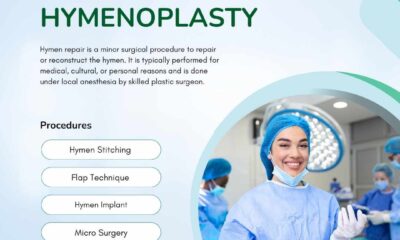
 Cosmetic Gynecology1 month ago
Hymenoplasty in Islamabad
-

 Cosmetic Gynecology1 month ago
Vaginoplasty, Vaginal Tightening & Rejuvenation
-

 Cosmetic Gynecology1 month ago
Hymen Repair Surgery in Rawalpindi
-

 Surgeries1 month ago
Hymenoplasty Surgeon in Rawalpindi
-

 Cosmetic Gynecology1 month ago
Hymenoplasty Cost Worldwide
-

 Cosmetic Gynecology1 month ago
Labia Majora Reduction