
Cosmetic Gynecology
Is Cosmetic Gynecology Safe?


Cosmetic gynecology has become an increasingly popular field of modern medicine. Women across the world are seeking treatments that improve the appearance, comfort, and function of the female intimate area. However, before considering any procedure, one of the most common and important questions patients ask is: Is cosmetic gynecology safe?
Safety is a critical concern when it comes to any medical or surgical procedure. Women want to understand the risks, benefits, recovery process, and long-term outcomes before making a decision about treatments such as labiaplasty, vaginoplasty, hymenoplasty, vaginal rejuvenation, or pelvic floor reconstruction.
In this comprehensive guide, we will explore the safety of cosmetic gynecology procedures, what medical research and experts say about them, how risks are minimized, and how patients can ensure they receive safe and effective treatment.
Understanding Cosmetic Gynecology
Cosmetic gynecology refers to medical and surgical procedures designed to improve the appearance and functionality of the female genital area. These procedures may be performed for aesthetic reasons, functional improvements, or both.
Unlike traditional gynecology, which focuses primarily on reproductive health and disease treatment, cosmetic gynecology addresses concerns related to:
- Vaginal laxity
- Labial enlargement
- Post-childbirth changes
- Reduced sexual satisfaction
- Intimate aesthetic concerns
- Pelvic floor weakness
Cosmetic gynecology procedures can be surgical or non-surgical, and when performed by experienced professionals, they are generally considered safe.
Why Women Are Concerned About Safety
Women naturally want reassurance that cosmetic gynecology procedures are safe before undergoing treatment.
Several factors contribute to these concerns:
Sensitive Nature of the Procedure
Cosmetic gynecology procedures involve the intimate and sensitive areas of the body, which makes patients cautious about risks and complications.
Increasing Popularity of Procedures
As awareness of cosmetic gynecology grows worldwide, more women are researching treatments online and asking about safety.
Fear of Surgical Complications
Like any surgery, cosmetic procedures may involve concerns about:
- Infection
- Pain
- Healing complications
- Unsatisfactory results
Understanding the actual safety profile of these procedures can help patients make informed decisions.
Are Cosmetic Gynecology Procedures Safe?
In general, cosmetic gynecology procedures are considered safe when performed by qualified and experienced surgeons in a proper medical environment.
Advancements in surgical techniques, anesthesia, and medical technology have significantly improved the safety of these procedures.
Several factors contribute to their safety:
- Modern surgical techniques
- Improved sterilization protocols
- Advanced laser and radiofrequency technologies
- Skilled cosmetic gynecologists and surgeons
- Comprehensive pre-operative assessments
When performed by experienced specialists, complications are rare and usually minor.
Common Cosmetic Gynecology Procedures and Their Safety
To understand the safety of cosmetic gynecology, it is helpful to examine the most commonly performed procedures.
Labiaplasty Safety
Labiaplasty is one of the most common cosmetic gynecology procedures worldwide. It involves reshaping or reducing the labia minora or labia majora.
Safety Factors
- Usually performed under local or general anesthesia
- Short surgical time
- Minimal blood loss
- Outpatient procedure
Recovery
Most patients recover within four to six weeks, with mild swelling and discomfort during the initial healing period.
When performed by experienced surgeons, labiaplasty has a high safety profile and high patient satisfaction rates.
Vaginoplasty Safety
Vaginoplasty is a surgical procedure designed to tighten vaginal muscles and tissues, often after childbirth or aging.
Safety Considerations
- Performed by experienced cosmetic gynecologists
- Carefully controlled surgical techniques
- Modern anesthesia protocols
Risks
Minor risks may include swelling or temporary discomfort, but serious complications are rare when performed by qualified professionals.
Hymenoplasty Safety
Hymenoplasty is a relatively simple surgical procedure that reconstructs the hymen.
Why It Is Considered Safe
- Short procedure time (often less than an hour)
- Minimal tissue manipulation
- Local anesthesia commonly used
- Quick recovery
Most patients resume normal daily activities within a few days.
Laser Vaginal Rejuvenation Safety
Laser vaginal rejuvenation is a non-surgical procedure that uses laser energy to stimulate collagen production in vaginal tissues.
Safety Advantages
- Non-invasive
- Minimal discomfort
- No surgical incisions
- Short recovery time
Many women return to normal activities within one or two days.
Pelvic Floor Reconstruction Safety
Pelvic floor reconstruction procedures are designed to repair weakened muscles and restore pelvic support.
Although more complex than other cosmetic gynecology procedures, they are widely performed and medically well-established.
When performed by skilled surgeons, these procedures are considered safe and effective.
Factors That Make Cosmetic Gynecology Safe
Several key factors contribute to the safety of cosmetic gynecology procedures.
Qualified and Experienced Surgeons
The most important factor in procedure safety is choosing a qualified and experienced cosmetic gynecologist or plastic surgeon.
Experienced doctors:
- Use proper surgical techniques
- Understand female anatomy thoroughly
- Manage complications effectively
Proper Medical Facilities
Procedures should be performed in licensed clinics or hospitals that follow strict medical standards.
These facilities ensure:
- Sterile environments
- Emergency support
- Advanced medical equipment
Thorough Patient Evaluation
Before performing cosmetic gynecology procedures, doctors conduct comprehensive evaluations that include:
- Medical history review
- Physical examination
- Discussion of treatment goals
- Risk assessment
This helps ensure that the procedure is appropriate for the patient.
Modern Technology
Advancements in medical technology have improved safety significantly.
Technologies used in cosmetic gynecology include:
- Laser devices
- Radiofrequency treatments
- Advanced surgical instruments
These technologies allow more precise and minimally invasive procedures.
Potential Risks of Cosmetic Gynecology
Although cosmetic gynecology procedures are generally safe, all medical treatments involve some degree of risk.
Potential complications may include:
- Temporary swelling
- Minor bleeding
- Infection
- Scarring
- Temporary discomfort
Most complications are rare and manageable when procedures are performed correctly.
How Patients Can Ensure Safety
Women considering cosmetic gynecology procedures can take several steps to maximize safety.
Choose an Experienced Specialist
Selecting a skilled surgeon is the most important decision.
Patients should look for doctors who:
- Have specialized training
- Perform procedures regularly
- Have positive patient reviews
Ask Questions During Consultation
Patients should discuss the following with their doctor:
- Procedure details
- Expected results
- Recovery timeline
- Potential risks
A transparent consultation helps patients feel confident about their decision.
Follow Pre-Procedure Instructions
Doctors often provide instructions such as:
- Avoiding certain medications
- Maintaining proper hygiene
- Preparing for recovery
Following these guidelines helps reduce risks.
Follow Post-Procedure Care
After surgery or treatment, patients should follow all aftercare instructions.
These may include:
- Taking prescribed medications
- Avoiding strenuous activities
- Attending follow-up appointments
Proper aftercare supports safe healing.
Recovery and Healing
Recovery time varies depending on the procedure performed.
Typical healing stages include:
First Few Days
Patients may experience mild swelling and discomfort.
First Two Weeks
Healing progresses and swelling gradually decreases.
Four to Six Weeks
Most patients fully recover and return to normal activities.
Doctors usually recommend avoiding sexual activity and heavy exercise during the early healing phase.
Benefits of Cosmetic Gynecology Procedures
When performed safely, cosmetic gynecology procedures provide many benefits.
Improved Comfort
Procedures like labiaplasty can eliminate irritation and discomfort.
Enhanced Confidence
Many women feel more comfortable and confident about their bodies.
Better Sexual Wellness
Vaginal tightening procedures may enhance sexual satisfaction.
Functional Improvements
Some treatments help address medical concerns such as pelvic floor weakness or urinary leakage.
Global Popularity of Cosmetic Gynecology
Cosmetic gynecology procedures are becoming increasingly popular worldwide.
Countries where these treatments are commonly performed include:
- United States
- United Kingdom
- Turkey
- South Korea
- United Arab Emirates
- Pakistan
Many international patients travel for cosmetic gynecology treatments because of affordable costs and skilled specialists.
Frequently Asked Questions
Is cosmetic gynecology safe?
Yes. Cosmetic gynecology procedures are generally safe when performed by experienced surgeons in proper medical facilities.
Are cosmetic gynecology procedures painful?
Most procedures are performed under anesthesia, so patients experience minimal discomfort during treatment.
How long does recovery take?
Recovery typically takes four to six weeks, depending on the procedure.
Are non-surgical treatments safer than surgery?
Non-surgical treatments such as laser vaginal rejuvenation have minimal risks and shorter recovery times.
Do cosmetic gynecology procedures affect fertility?
Most cosmetic gynecology procedures do not affect fertility.
Are complications common?
Serious complications are rare when procedures are performed by qualified specialists.
How long do results last?
Surgical procedures usually provide long-lasting or permanent results.
Final Thoughts
Cosmetic gynecology procedures have become an important part of modern aesthetic medicine. When performed by experienced specialists using modern techniques, these treatments are generally safe and effective.
Understanding the procedures, risks, recovery process, and benefits allows women to make informed decisions about their intimate health and confidence.
If you are considering cosmetic gynecology procedures and want professional consultation, expert care, and confidential guidance, you can contact @cosmeticgynecologyclinic to learn more about available treatments and personalized options.








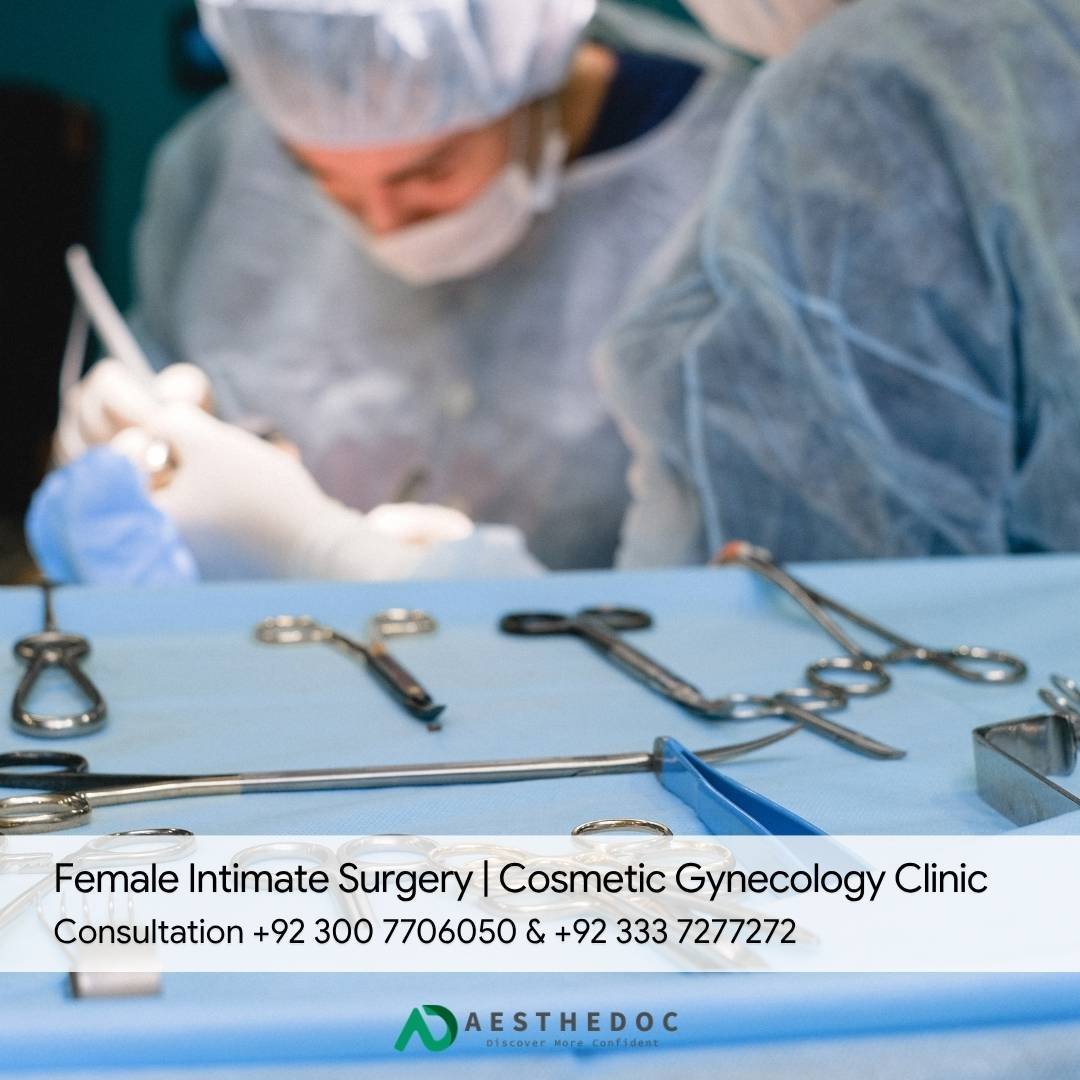
Female intimate surgery is an umbrella term used in modern aesthetic and reconstructive gynecology to describe a wide range of surgical and minimally invasive procedures designed to improve the functional, structural, and aesthetic aspects of the female genital area.
It includes both medically indicated reconstructive surgeries and elective cosmetic enhancements. These procedures are performed based on individual anatomy, symptoms, and patient goals after proper clinical evaluation.
In recent years, advancements in surgical techniques, regenerative medicine, and laser technology have made intimate surgery safer, more precise, and more customizable than ever before.
Understanding Female Intimate Surgery
Female intimate surgery is not a single operation. It is a category of procedures that may include:
- Vaginal tightening surgery (vaginoplasty)
- Labia reshaping surgery (labiaplasty)
- Clitoral hood reduction (hoodoplasty)
- Perineal repair (perineoplasty)
- Mons pubis reduction (monsplasty)
- Fat grafting and volume restoration procedures
- Laser and regenerative therapies (as adjuncts)
Each procedure addresses a specific anatomical or functional concern.
Why Female Intimate Surgery Is Performed
Women may consider intimate surgery for a combination of functional, medical, and aesthetic reasons.
Post-Childbirth Changes
Childbirth can lead to:
- Vaginal laxity
- Perineal tearing
- Changes in labial shape
- Reduced tissue support
Aging-Related Changes
Natural aging may result in:
- Loss of elasticity
- Reduced collagen production
- Tissue thinning
- Volume loss
Functional Concerns
- Discomfort during movement or intimacy
- Reduced tissue support
- Irritation or friction
Aesthetic Concerns
- Asymmetry
- Excess or deficient tissue
- Changes in contour balance
Types of Female Intimate Surgery
1. Vaginal Tightening Surgery
Restores internal muscle tone and structural support of the vaginal canal.
2. Labiaplasty
Reshapes labia minora or majora for symmetry and comfort.
3. Hoodoplasty
Reduces excess clitoral hood tissue while preserving sensitivity.
4. Perineoplasty
Repairs and strengthens the perineal body after childbirth or trauma.
5. Monsplasty
Removes or reshapes excess fat in the pubic region for better contour balance.
6. Fat Grafting Procedures
Restores volume in labia majora using autologous fat transfer.
Treatment Planning and Customization
Female intimate surgery is always individualized. A complete treatment plan is based on:
- Vaginal muscle tone assessment
- External genital anatomy
- Functional concerns
- Skin elasticity
- Patient expectations and goals
A combination approach is often used for comprehensive results.
Surgical Procedure Overview
Step 1: Consultation and Examination
A detailed medical evaluation is performed to assess anatomy and determine suitable procedures.
Step 2: Anesthesia
Depending on the procedure combination:
- Local anesthesia with sedation
- General anesthesia for complex surgeries
Step 3: Surgical Execution
The selected procedures are performed with precision using advanced surgical techniques to ensure safety and natural results.
Step 4: Tissue Reconstruction
Muscles, skin, and soft tissues are reshaped to restore natural anatomy and symmetry.
Step 5: Closure and Dressing
Absorbable sutures are used, and post-operative care instructions are provided.
Recovery After Female Intimate Surgery
Recovery varies depending on procedures performed.
First Week
- Swelling and mild discomfort
- Rest and limited movement recommended
Weeks 2–3
- Gradual reduction in swelling
- Improved comfort and mobility
Weeks 4–6
- Significant healing progress
- Return to most normal activities
Full Recovery
Final results stabilize as tissues heal completely and collagen remodeling occurs.
Benefits of Female Intimate Surgery
Functional Improvement
Enhances structural support and comfort.
Aesthetic Enhancement
Improves symmetry and appearance of intimate area.
Long-Term Results
Surgical corrections provide durable outcomes.
Personalized Treatment
Each plan is tailored to patient anatomy and goals.
Improved Confidence
Many patients report better body confidence and comfort.
Risks and Considerations
As with all surgical procedures, possible risks include:
- Temporary swelling
- Bruising
- Infection (rare)
- Scarring
- Asymmetry
- Delayed healing
These risks are minimized when procedures are performed by experienced specialists with proper post-operative care.
Female Intimate Surgery Cost (Fixed Range as Requested)
Estimated Cost:
PKR 120,000 – PKR 250,000
Cost depends on:
- Number of procedures combined
- Surgical complexity
- Tissue condition
- Duration of surgery
International Cost Comparison
| Country | Estimated Cost |
|---|---|
| Pakistan | PKR 120,000 – 250,000 |
| United States | USD 4,000 – 10,000 |
| United Kingdom | GBP 3,500 – 8,000 |
| Canada | CAD 5,000 – 10,000 |
| UAE | AED 15,000 – 30,000 |
| Turkey | USD 2,500 – 6,000 |
Psychological and Emotional Impact
Patients often report:
- Improved self-confidence
- Better intimate comfort
- Enhanced body image
- Improved quality of life
Who Is a Good Candidate?
Suitable candidates include women who:
- Have postpartum anatomical changes
- Experience functional discomfort
- Desire aesthetic improvement
- Are in good general health
- Have realistic expectations
Meet the Surgeon
Dr. Nadiya Tariq – Plastic Surgeon
Qualifications
- FCPS (Plastic Surgery) – CPSP
- MBBS – UHS Lahore
Registrations
- PMDC – Active
- Irish Medical Council – Active
Consultation at Aesthedoc Clinic
For confidential evaluation and personalized treatment planning:
+92 300 7706050
info@aesthedoc.com
A comprehensive consultation ensures ethical, safe, and medically appropriate treatment selection.
Designer vagina surgery is a non-medical marketing term used to describe a combination of aesthetic gynecology procedures aimed at reshaping, tightening, and enhancing the appearance and function of the female intimate area. It is not a single surgical procedure, but rather a customized surgical plan that may include multiple reconstructive and cosmetic techniques depending on the patient’s anatomy and goals.
In modern aesthetic medicine, this approach is designed to restore balance, symmetry, and functional comfort while also improving overall intimate aesthetics. The procedures involved are always individualized, based on clinical assessment and medical indications.
Understanding Designer Vagina Surgery
Designer vagina surgery typically refers to a combination of procedures such as:
- Vaginal tightening surgery (vaginoplasty)
- Labiaplasty (labia reshaping)
- Hoodoplasty or clitoral hood reduction
- Perineoplasty (perineal repair)
- Monsplasty (pubic contouring)
The term “designer” does not refer to artificial alteration but to a personalized surgical plan tailored to the patient’s anatomy.
Why Women Consider Designer Vagina Surgery
Women may consider combined intimate procedures for several reasons:
Post-Childbirth Changes
Vaginal delivery can lead to:
- Tissue laxity
- Muscle separation
- Perineal stretching
- Changes in labial shape
Aging-Related Changes
Natural aging may result in:
- Reduced elasticity
- Loss of volume
- Changes in skin texture
Aesthetic Concerns
Some women seek improved:
- Symmetry of labia
- External genital appearance
- Overall contour balance
Functional Concerns
- Discomfort during physical activity
- Reduced tissue support
- Irritation due to excess tissue
What Procedures Are Included in a Designer Vagina Plan
A customized treatment plan may include:
1. Vaginoplasty
Tightens internal vaginal muscles to improve structural support.
2. Labiaplasty
Reshapes inner or outer labia for symmetry and comfort.
3. Hoodoplasty
Refines excess clitoral hood tissue while preserving sensitivity.
4. Perineoplasty
Repairs and strengthens the perineal body.
5. Monsplasty
Removes or reshapes excess pubic fat for improved contour.
Procedure Planning and Customization
Each designer vaginal surgery plan begins with a detailed consultation where the surgeon evaluates:
- Vaginal muscle tone
- External anatomy symmetry
- Skin elasticity
- Functional concerns
- Patient expectations
A tailored combination of procedures is then recommended for optimal outcomes.
Surgical Procedure Overview
Step 1: Pre-Surgical Evaluation
Medical history, physical examination, and treatment planning are completed.
Step 2: Anesthesia
Designer vaginal surgery is usually performed under:
- Local anesthesia with sedation, or
- General anesthesia depending on complexity
Step 3: Surgical Execution
Multiple procedures are performed in a single session or staged approach, depending on safety and complexity.
Step 4: Tissue Reconstruction
Muscles, skin, and soft tissues are carefully reshaped and sutured for natural anatomical balance.
Step 5: Recovery Plan
A structured post-operative care plan is provided for healing and comfort.
Recovery After Designer Vagina Surgery
Recovery depends on the combination of procedures performed.
First Week
- Swelling and mild discomfort
- Rest recommended
- Limited physical activity
Weeks 2–3
- Gradual reduction in swelling
- Improved comfort
- Light activities may resume
Weeks 4–6
- Significant healing progress
- Return to normal routine possible
Full Recovery
Final results typically stabilize as tissues fully heal and collagen remodeling completes.
Benefits of Designer Vagina Surgery
Complete Intimate Rejuvenation
Addresses both functional and aesthetic concerns.
Improved Vaginal Tightness
Enhances muscle tone and structural support.
Better Aesthetic Symmetry
Improves balance of external genital appearance.
Enhanced Comfort
Reduces discomfort caused by excess or lax tissue.
Customized Results
Tailored surgical approach based on individual anatomy.
Risks and Considerations
As with any surgical procedure, potential risks include:
- Temporary swelling
- Bruising
- Infection (rare)
- Scarring
- Asymmetry
- Delayed healing
Choosing an experienced specialist significantly reduces complication risks.
Designer Vagina Surgery Cost (Fixed Range as Requested)
Estimated Cost:
PKR 150,000 – PKR 250,000
Cost depends on:
- Number of procedures combined
- Surgical complexity
- Tissue condition
- Duration of surgery
International Cost Comparison
| Country | Estimated Cost |
|---|---|
| Pakistan | PKR 150,000 – 250,000 |
| United States | USD 4,000 – 10,000 |
| United Kingdom | GBP 3,500 – 8,000 |
| Canada | CAD 5,000 – 10,000 |
| UAE | AED 15,000 – 30,000 |
| Turkey | USD 2,500 – 6,000 |
Psychological and Emotional Impact
Patients often report:
- Improved body confidence
- Better intimate self-image
- Increased comfort in daily life
- Enhanced relationship satisfaction
Who Is a Good Candidate?
Suitable candidates include women who:
- Experience multiple postpartum changes
- Have combined aesthetic and functional concerns
- Are in good general health
- Have realistic expectations
- Desire comprehensive rejuvenation
Meet the Surgeon
Dr. Nadiya Tariq – Plastic Surgeon
Qualifications
- FCPS (Plastic Surgery) – CPSP
- MBBS – UHS Lahore
Registrations
- PMDC – Active
- Irish Medical Council – Active
Consultation at Aesthedoc Clinic
For confidential consultation and personalized treatment planning:
+92 300 7706050
info@aesthedoc.com
A complete evaluation ensures a safe, ethical, and medically appropriate treatment plan tailored to individual needs.
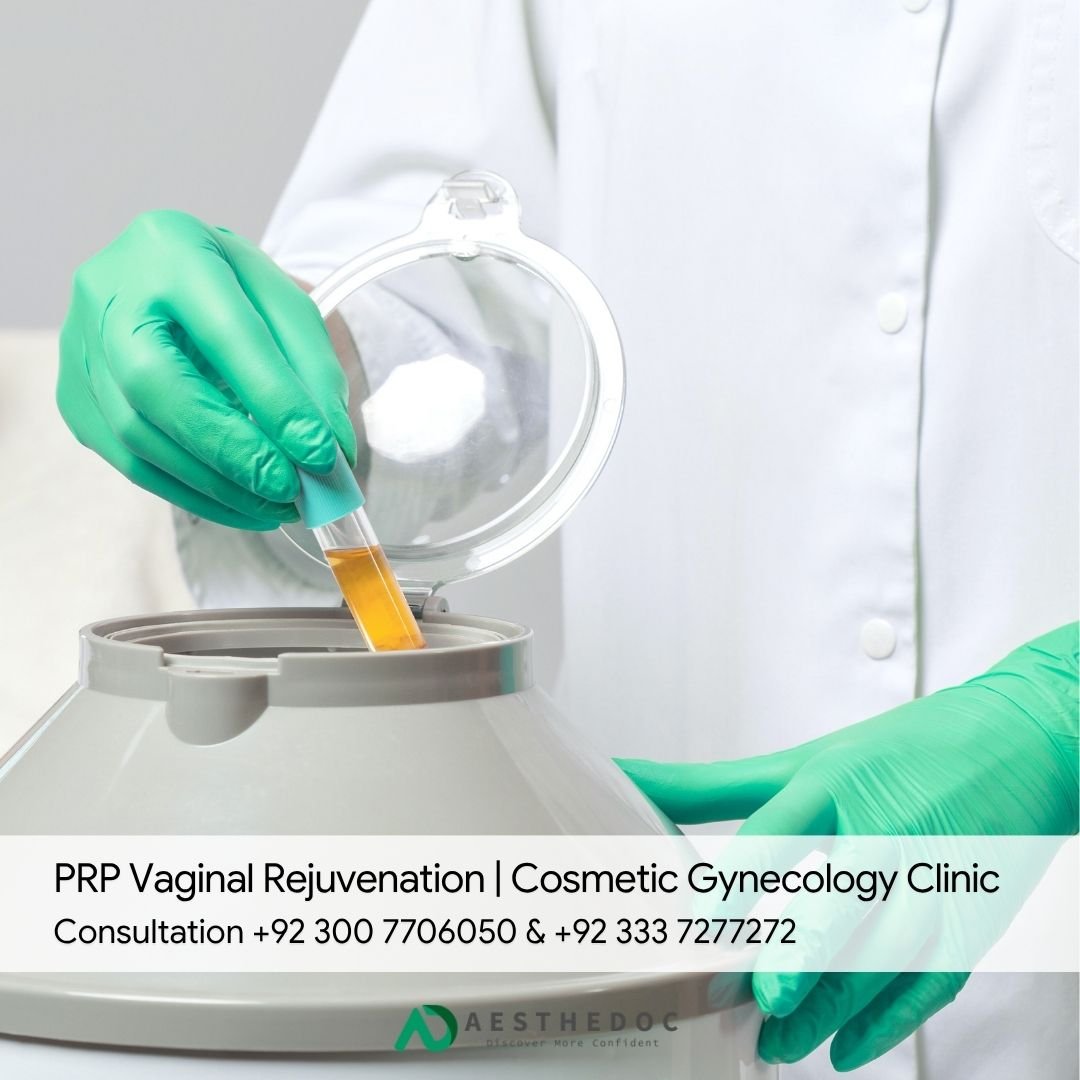
PRP vaginal rejuvenation is a regenerative aesthetic gynecology treatment that uses Platelet-Rich Plasma (PRP) derived from the patient’s own blood to improve vaginal tissue health, lubrication, sensitivity, and overall functional wellness.
This treatment is widely used in modern intimate medicine because it activates the body’s natural healing mechanisms without surgery, implants, or foreign substances. PRP contains powerful growth factors that support tissue repair, collagen production, and improved blood circulation in vaginal tissues.
It is often used as a standalone therapy or combined with other procedures such as laser vaginal rejuvenation or stem cell-based treatments.
Understanding PRP (Platelet-Rich Plasma)
PRP is a concentrated form of blood plasma that contains a high number of platelets. These platelets are rich in growth factors responsible for:
- Tissue regeneration
- Collagen stimulation
- Wound healing
- Angiogenesis (new blood vessel formation)
- Cellular repair
When injected into targeted vaginal tissues, PRP enhances natural biological repair processes.
What Is PRP Vaginal Rejuvenation?
PRP vaginal rejuvenation is a minimally invasive procedure where PRP is injected into specific areas of the vaginal and vulvar region to improve:
- Vaginal lubrication
- Tissue elasticity
- Blood flow
- Nerve sensitivity
- Overall vaginal health
It is sometimes referred to as the “O-Shot” when focused on clitoral and sexual wellness enhancement.
How PRP Vaginal Rejuvenation Works
The treatment works through natural biological activation:
- Blood is drawn from the patient
- Platelets are separated using centrifugation
- PRP is prepared in concentrated form
- PRP is injected into targeted vaginal tissues
- Growth factors stimulate regeneration and healing
Over the following weeks, tissue quality gradually improves.
Indications for PRP Vaginal Rejuvenation
This treatment may be suitable for women experiencing:
Vaginal Dryness
Reduced natural lubrication due to hormonal or aging changes.
Reduced Sensitivity
Decreased nerve responsiveness in intimate areas.
Mild Vaginal Laxity
Early-stage loosening of vaginal tissues.
Postpartum Changes
Functional or tissue quality changes after childbirth.
General Intimate Discomfort
Reduced comfort during daily life or intimacy.
PRP Vaginal Rejuvenation Procedure Overview
Step 1: Consultation and Evaluation
A full medical assessment is performed to determine suitability and rule out contraindications.
Step 2: Blood Collection
A small amount of blood is drawn from the patient, similar to a routine lab test.
Step 3: PRP Preparation
Blood is processed using a centrifuge to separate platelet-rich plasma.
Step 4: Local Anesthesia
A topical numbing agent is applied to ensure comfort during the procedure.
Step 5: PRP Injection
PRP is carefully injected into targeted vaginal and/or clitoral regions depending on treatment goals.
Step 6: Post-Procedure Care
Patients receive guidance for recovery, hygiene, and activity recommendations.
Recovery After PRP Vaginal Rejuvenation
Recovery is usually fast due to its minimally invasive nature.
First 24–48 Hours
- Mild swelling or sensitivity
- Slight pressure sensation
First Week
- Gradual improvement begins
- No major downtime required
2–6 Weeks
- Noticeable improvement in lubrication
- Improved tissue responsiveness
- Enhanced comfort
Results improve gradually over time.
Benefits of PRP Vaginal Rejuvenation
Natural Regeneration
Uses the body’s own growth factors for healing.
Improved Lubrication
Enhances natural vaginal moisture.
Increased Sensitivity
Supports nerve and tissue responsiveness.
Better Tissue Health
Improves elasticity and vascular support.
Non-Surgical Treatment
No incisions or stitches required.
PRP Vaginal Rejuvenation vs O-Shot
PRP Vaginal Rejuvenation
- Focuses on vaginal walls and lubrication
- Improves overall tissue health
- Broader functional benefits
O-Shot
- Focuses on clitoral region and sexual response
- More targeted sensitivity enhancement
Both use PRP but differ in application areas.
Risks and Safety
PRP therapy is generally safe because it uses the patient’s own blood. Possible mild side effects include:
- Temporary swelling
- Mild bruising
- Sensitivity for a short duration
- Rare infection
Proper sterile technique minimizes risks significantly.
PRP Vaginal Rejuvenation Cost (Fixed Range as Requested)
Estimated Cost:
PKR 100,000 – PKR 180,000
Cost depends on:
- Number of PRP sessions required
- Treatment area (vaginal walls vs combined O-Shot)
- Combination with laser or stem cell therapy
- Clinic protocol and equipment
International Cost Comparison
| Country | Estimated Cost |
|---|---|
| Pakistan | PKR 100,000 – 180,000 |
| United States | USD 1,000 – 2,500 |
| United Kingdom | GBP 900 – 2,000 |
| Canada | CAD 1,200 – 3,000 |
| UAE | AED 4,000 – 10,000 |
| Turkey | USD 800 – 1,800 |
PRP Vaginal Rejuvenation vs Laser Treatment
PRP Therapy
- Biological regeneration
- Improves sensitivity and lubrication
- Works at cellular level
Laser Treatment
- Heat-based collagen stimulation
- Improves tightness
- More structural effect
Both can be combined for enhanced results.
Psychological Benefits
Patients often report:
- Improved confidence
- Better intimate comfort
- Reduced dryness concerns
- Enhanced quality of life
Who Is a Good Candidate?
Suitable candidates include women who:
- Experience vaginal dryness or laxity
- Prefer non-surgical treatment
- Are in good general health
- Have realistic expectations
- Seek natural regenerative therapy
Meet the Surgeon
Dr. Nadiya Tariq – Plastic Surgeon
Qualifications
- FCPS (Plastic Surgery) – CPSP
- MBBS – UHS Lahore
Registrations
- PMDC – Active
- Irish Medical Council – Active
Consultation at Aesthedoc Clinic
For confidential consultation and personalized treatment planning:
+92 300 7706050
info@aesthedoc.com
A tailored evaluation helps determine whether PRP alone or combination therapy is most suitable.
-
 Surgeries8 months ago
Hymen Repair Surgery
-

 Cosmetic Gynecology7 months ago
Cosmetic Gynecology Clinic
-
 Cosmetic Gynecology8 months ago
Hymenoplasty in Islamabad
-

 Cosmetic Gynecology8 months ago
Hymen Repair Surgery in Rawalpindi
-

 Cosmetic Gynecology7 months ago
Hymenoplasty Cost Worldwide
-
 Surgeries7 months ago
Virgin Tightening Surgery Before and After Pictures
-

 Surgeries8 months ago
Hymenoplasty Surgeon in Rawalpindi
-

 Surgeries7 months ago
How Much Does Hymen Restoration Cost?