
Surgeries
Colpoperineoplasty, Combined Vaginal Narrowing & Perineal Repair Surgery

If you are searching for Colpoperineoplasty in Islamabad or Rawalpindi, you are likely experiencing concerns related to vaginal looseness, widened vaginal opening, perineal damage after childbirth, or reduced confidence during intimacy. Colpoperineoplasty is a comprehensive reconstructive and aesthetic surgical procedure that combines:
- Colporrhaphy (vaginal canal tightening)
- Perineoplasty (perineal body repair and reconstruction)
This combined approach provides complete structural restoration of both the internal vaginal canal and the external perineal area for functional improvement and aesthetic rejuvenation.
With increasing awareness of women’s intimate health in Pakistan, many patients are seeking safe, confidential, and medically sound solutions to restore anatomy, muscle tone, and confidence.
This detailed guide explains everything about Colpoperineoplasty – combined vaginal narrowing and perineal repair, including causes, procedure details, recovery, safety, benefits, cost considerations, and why choosing a qualified plastic surgeon in Islamabad or Rawalpindi is essential.
What is Colpoperineoplasty?
Colpoperineoplasty is an advanced surgical procedure designed to:
- Tighten the vaginal canal (colporrhaphy)
- Repair and reconstruct the perineal body
- Narrow the vaginal opening
- Strengthen pelvic floor support
- Remove scar tissue from episiotomy or tears
- Restore anatomical harmony
It is often recommended for women who have experienced significant childbirth-related stretching, perineal tearing, or severe vaginal laxity.
Unlike simple vaginal tightening, this procedure addresses both internal muscle weakness and external perineal damage, providing a comprehensive solution.
Why Do Women Need Colpoperineoplasty?
Several factors may lead to the need for combined vaginal and perineal repair.
1️⃣ Vaginal Childbirth
Natural delivery can cause:
- Overstretching of vaginal muscles
- Perineal tearing
- Episiotomy scars
- Muscle separation
- Weak pelvic floor support
In some cases, muscles do not fully regain their original tone, resulting in:
- Vaginal looseness
- Widened vaginal opening
- Reduced sensation
- Visible structural changes
2️⃣ Severe Perineal Tear (3rd or 4th Degree)
Significant tears may damage the perineal body, leading to:
- Weak support between vagina and rectum
- Pain during intimacy
- Visible deformity
3️⃣ Aging and Hormonal Changes
With time, collagen levels decrease and tissues lose elasticity, contributing to laxity.
4️⃣ Genetic Tissue Weakness
Some women naturally have weaker connective tissue.
Women in Islamabad and Rawalpindi increasingly seek colpoperineoplasty for safe anatomical restoration and improved quality of life.
Signs You May Be a Candidate for Colpoperineoplasty
You may benefit from this procedure if you experience:
- Feeling of vaginal looseness
- Widened vaginal entrance
- Reduced sensation during intimacy
- Poor partner satisfaction
- Perineal scar deformity
- Pain at episiotomy site
- Bulging at vaginal opening
- Loss of pelvic support
A thorough consultation helps determine whether combined surgery is appropriate.
Colpoperineoplasty vs Vaginoplasty vs Perineoplasty
Understanding the differences is important:
| Procedure | Area Treated | Purpose |
|---|---|---|
| Vaginoplasty | Vaginal canal | Internal muscle tightening |
| Perineoplasty | Perineal body | Repair of vaginal opening area |
| Colpoperineoplasty | Both | Combined internal and external repair |
Colpoperineoplasty provides the most comprehensive correction when both areas are affected.
How Colpoperineoplasty Works
This procedure restores:
- Vaginal muscle tone
- Perineal body strength
- Pelvic floor support
- Vaginal opening tightness
- Structural symmetry
The surgery involves precise reconstruction of muscles and tissues using layered suturing techniques for long-term support.
Step-by-Step Surgical Procedure
Duration: 90–150 minutes
Anesthesia: Local with sedation or general anesthesia
Hospital Stay: Day-care (same-day discharge)
Surgical Process:
Step 1: Detailed Evaluation
Preoperative assessment includes physical examination and discussion of expectations.
Step 2: Anesthesia Administration
Ensures comfort and pain-free procedure.
Step 3: Vaginal Canal Tightening (Colporrhaphy)
- Identification of stretched levator muscles
- Approximation and tightening of muscles
- Removal of excess vaginal mucosa
- Layered internal suturing
Step 4: Perineal Reconstruction (Perineoplasty)
- Removal of scar tissue
- Reconstruction of perineal body
- Narrowing of vaginal opening
- Layered closure for strength
Step 5: Final Inspection and Dressing
Ensures symmetry and hemostasis.
The surgery focuses on strengthening muscles rather than simply removing tissue.
Recovery After Colpoperineoplasty
Recovery requires structured care and patience.
First Week:
- Mild to moderate discomfort
- Swelling
- Light spotting
- Avoid prolonged sitting
- Maintain hygiene
2–3 Weeks:
- Swelling decreases
- Return to desk work possible
- Avoid heavy lifting
4–6 Weeks:
- Gradual return to daily activities
- No sexual activity yet
6–8 Weeks:
- Complete healing
- Resume intimacy upon medical clearance
Following postoperative instructions strictly ensures optimal healing.
Benefits of Colpoperineoplasty
Women in Islamabad and Rawalpindi report:
- Improved vaginal tightness
- Enhanced muscle strength
- Better pelvic support
- Increased intimacy confidence
- Improved partner satisfaction
- Correction of scar deformity
- Narrowed vaginal opening
- Restored youthful contour
The procedure improves both physical function and psychological well-being.
Does Colpoperineoplasty Improve Intimacy?
In many cases, yes.
By restoring muscle tone and narrowing the vaginal canal and opening, friction during intimacy improves, which may enhance sensation and satisfaction.
However, outcomes vary based on individual anatomy.
Is Colpoperineoplasty Safe?
Yes — when performed by a qualified plastic surgeon in a sterile surgical facility.
Safety depends on:
- Surgical expertise
- Proper muscle repair technique
- Sterile environment
- Patient compliance with aftercare
Complications are rare with experienced surgeons.
Possible Risks (Rare but Important)
- Temporary swelling
- Infection (rare)
- Bleeding
- Over-tightening (rare with experienced surgeon)
- Delayed wound healing
Selecting a board-certified plastic surgeon significantly minimizes risks.
Long-Term Results
Results are long-lasting, especially if:
- No future vaginal deliveries occur
- Weight remains stable
- Pelvic floor exercises are maintained
Future childbirth may affect surgical results.
Who Should Avoid the Procedure?
- Active infection
- Pregnancy
- Severe uncontrolled medical conditions
- Unrealistic expectations
A proper consultation ensures medical suitability.
Can It Be Combined with Other Procedures?
Yes, colpoperineoplasty is often combined with:
- Labia minora reduction
- Labia majora augmentation
- Hoodoplasty
- Non-surgical vaginal rejuvenation
Combination procedures provide comprehensive intimate rejuvenation.
Emotional & Psychological Impact
Many women silently struggle with:
- Reduced confidence
- Embarrassment
- Intimacy anxiety
- Body image concerns
Colpoperineoplasty often leads to improved self-esteem and relationship satisfaction.
Colpoperineoplasty Cost in Islamabad & Rawalpindi
Cost depends on:
- Surgical complexity
- Anesthesia type
- Surgeon expertise
- Facility standards
A personalized consultation is required for accurate pricing.
Frequently Asked Questions
Is colpoperineoplasty painful?
Mild to moderate discomfort is expected initially but manageable with medication.
How long do results last?
Results are long-lasting unless affected by future childbirth.
When can I return to work?
Most patients return within 7–10 days.
Is the procedure confidential?
Yes. Complete privacy is strictly maintained.
Will there be visible scars?
Incisions are internal or placed discreetly within natural folds.
Why Choose a Qualified Plastic Surgeon?
Colpoperineoplasty requires:
- Advanced pelvic anatomy knowledge
- Expertise in muscle reconstruction
- Precision surgical technique
- Experience in female reconstructive surgery
Choosing a certified plastic surgeon ensures safe and natural outcomes.
Meet Your Plastic Surgeon
Dr Nadia Tariq – Plastic Surgeon
Academic Qualifications
- FCPS (Plastic Surgery) – College of Physicians & Surgeons Pakistan (CPSP), 2025
- MBBS – University of Health Sciences (UHS), Lahore, 2016
Professional Registrations
- Pakistan Medical & Dental Council (PMDC) – Active Registration
- Irish Medical Council (IMC) – Active Registration
Dr Nadia Tariq provides ethical, confidential, and evidence-based reconstructive and aesthetic care in Islamabad and Rawalpindi.
Why Patients Trust Aesthedoc
- Modern surgical facility
- Female-friendly environment
- International sterilization protocols
- Confidential consultations
- Complete postoperative follow-up
Book Your Confidential Consultation Today
If you are considering Colpoperineoplasty in Islamabad or Rawalpindi, expert evaluation ensures safe treatment and long-lasting restoration.
Aesthedoc Islamabad
Instagram: @aesthe_doc
F11 Markaz Islamabad
Contact 03337277272
Aesthedoc Clinic Rawalpindi
Instagram: @aesthedocclinic
3rd Floor, Rajas United Heights
Opposite Future World School
Bahria Town Phase 8, Rawalpindi, Pakistan
Contact 03007706050








Pelvic organ prolapse (POP) is a common condition in women where one or more pelvic organs—such as the uterus, bladder, or rectum—descend into or beyond the vaginal canal due to weakened pelvic floor support. Surgical pelvic organ prolapse repair restores anatomical support, urinary and bowel function, sexual health, and confidence, making it increasingly sought after in Islamabad and Rawalpindi.
What Is Pelvic Organ Prolapse?
Pelvic organ prolapse occurs when supporting tissues of the pelvic floor weaken, allowing pelvic organs to descend into the vaginal canal. Common types of POP include:
- Uterine prolapse: Descent of the uterus into the vagina
- Vaginal vault prolapse: Descent of the top of the vagina after hysterectomy
- Cystocele: Bladder bulging into the anterior vaginal wall
- Rectocele: Rectum bulging into the posterior vaginal wall
- Enterocele: Small bowel prolapse into the vaginal vault
Symptoms vary depending on severity but often include vaginal bulge, pressure, urinary and bowel dysfunction, and sexual discomfort.
Anatomy of the Pelvic Floor
A thorough understanding of pelvic floor anatomy is essential for effective repair:
- Pelvic muscles (levator ani, coccygeus): Provide structural support
- Connective tissues (endopelvic fascia, cardinal and uterosacral ligaments): Maintain organ position
- Perineal body: Supports both anterior and posterior vaginal walls
- Vaginal mucosa: Inner lining affected by prolapse
Weakened muscles or fascia, often due to childbirth, aging, or prior surgery, can lead to POP.
Causes of Pelvic Organ Prolapse
- Vaginal childbirth trauma: Stretching or tearing of pelvic muscles and ligaments
- Aging: Loss of collagen and tissue elasticity
- Obesity: Increased intra-abdominal pressure
- Chronic constipation or straining: Weakens pelvic floor over time
- Previous pelvic surgery: Hysterectomy or other pelvic procedures
- Connective tissue disorders: Genetic predisposition to tissue laxity
Symptoms Indicating Pelvic Organ Prolapse
Women may experience:
- Bulging in the vagina or feeling of “heaviness”
- Vaginal or pelvic pressure, discomfort, or pain
- Urinary urgency, incontinence, or difficulty emptying bladder
- Constipation or difficulty with bowel movements
- Painful sexual intercourse or loss of sexual sensation
- Recurrent urinary tract infections
- Cosmetic dissatisfaction with vaginal appearance
Prompt consultation and repair are recommended for moderate to severe symptoms or functional impairment.
Indications for Pelvic Organ Prolapse Repair
Surgery is indicated in women with:
- Symptomatic uterine or vaginal vault prolapse
- Recurrent cystocele or rectocele not responding to conservative therapy
- Urinary incontinence or obstructive bowel symptoms due to prolapse
- Desire for functional restoration and aesthetic improvement
- Postpartum or post-hysterectomy patients with pelvic floor weakness
Non-Surgical Management Options
Before surgery, conservative approaches may be considered:
- Pelvic floor physiotherapy (Kegel exercises): Strengthens pelvic muscles
- Pessary devices: Mechanical support for prolapsed organs
- Lifestyle modifications: Weight management, avoiding heavy lifting
- Topical estrogen therapy: Improves tissue quality in postmenopausal women
If symptoms persist or are severe, surgical repair is recommended.
Surgical Techniques for Pelvic Organ Prolapse Repair
Surgical repair aims to restore anatomical support and functional comfort. Techniques vary based on type and severity of prolapse.
1. Uterine Suspension or Hysteropexy
- Preserves the uterus while restoring position
- Uterus anchored to ligaments or sacral structures
- Ideal for women desiring uterine preservation
2. Vaginal Vault Suspension
- Corrects vaginal apex prolapse after hysterectomy
- Vault secured using sacrospinous or uterosacral ligaments
- Can be performed vaginally or laparoscopically
3. Anterior Colporrhaphy
- Repairs bladder prolapse (cystocele)
- Reinforces anterior vaginal wall and pubocervical fascia
- Often combined with vault or posterior repair
4. Posterior Colporrhaphy
- Repairs rectocele (rectum prolapse into posterior vaginal wall)
- Tightens rectovaginal fascia and perineal body
- Restores bowel function and vaginal tone
5. Perineoplasty
- Restores perineal muscles and vaginal opening
- Enhances functional and sexual outcomes
- Often combined with posterior repair
6. Mesh-Augmented Repair (if indicated)
- Synthetic or biological grafts used in severe cases
- Provides additional support for weakened tissues
- Careful patient selection required to minimize complications
Step-by-Step Pelvic Organ Prolapse Repair
Preoperative Assessment
- Comprehensive history and physical examination
- Pelvic imaging or urodynamics if necessary
- Discussion of surgical goals, functional concerns, and cosmetic preferences
Anesthesia
- General or regional anesthesia
- Ensures patient comfort and safety
Surgical Procedure
- Vaginal or abdominal (laparoscopic/open) approach based on type of prolapse
- Fascial and ligamentous repair to restore support
- Mucosa closed with absorbable sutures for minimal scarring
- Combined repairs performed when multiple compartments are involved
- Hemostasis ensured and vaginal packing applied if needed
Recovery After Pelvic Organ Prolapse Repair
First Week
- Mild discomfort, swelling, or bruising
- Pain managed with analgesics
- Avoid lifting, straining, or sexual activity
Weeks 2–3
- Sutures dissolve naturally
- Light daily activity resumes
- Pelvic floor exercises may begin under guidance
Weeks 4–6
- Full tissue healing achieved
- Sexual activity may resume after clearance
- Monitoring of urinary and bowel function
Benefits of Pelvic Organ Prolapse Repair
- Restores pelvic organ anatomy and support
- Reduces vaginal bulge, pressure, and urinary symptoms
- Improves bowel function and sexual satisfaction
- Minimizes scarring and aesthetic irregularities
- Prevents recurrence of prolapse with proper surgical technique
- Enhances confidence, comfort, and quality of life
Potential Complications
With expert surgeons, complications are rare:
- Temporary pain, swelling, or bruising
- Urinary retention or infection
- Hematoma formation (rare)
- Mesh complications (if used)
- Recurrence of prolapse (depends on tissue quality)
- Changes in vaginal sensation
Proper surgical technique and postoperative care minimize risks.
Combining Pelvic Organ Prolapse Repair With Other Procedures
- Vaginoplasty: Vaginal canal rejuvenation
- Labiaplasty: Labial symmetry and aesthetics
- Monsplasty: Pubic lift for harmonious genital aesthetics
- Perineoplasty: Perineal reconstruction for functional restoration
A combined approach ensures optimal functional, aesthetic, and sexual outcomes.
Ideal Candidates
- Women with symptomatic pelvic organ prolapse
- Postpartum or post-hysterectomy patients with pelvic floor weakness
- Those experiencing urinary, bowel, or sexual dysfunction
- Physically healthy individuals with realistic expectations
- Patients seeking functional restoration and aesthetic improvement
Emotional and Psychological Benefits
- Relief from discomfort and embarrassment
- Improved sexual confidence and satisfaction
- Enhanced self-esteem and body image
- Positive impact on postpartum or postmenopausal quality of life
Cost of Pelvic Organ Prolapse Repair in Islamabad & Rawalpindi
Factors affecting cost include:
- Extent of prolapse and number of compartments repaired
- Combination with other cosmetic or functional procedures
- Anesthesia, hospital, and facility fees
- Surgeon experience and expertise
Personalized consultation ensures accurate cost estimation and treatment planning.
Recovery Tips for Optimal Healing
- Avoid heavy lifting and straining
- Maintain bowel regularity with fiber and hydration
- Keep vaginal and perineal area clean
- Attend all postoperative follow-ups
- Follow prescribed medications and care instructions
Pelvic Organ Prolapse Repair in Islamabad
At Aesthedoc Islamabad, patients benefit from:
- Board-certified plastic and reconstructive surgeons
- Advanced surgical facilities and private care
- Personalized surgical planning
- Comprehensive repair of uterine, vault, and vaginal prolapse
Pelvic Organ Prolapse Repair in Rawalpindi
At Aesthedoc Clinic Rawalpindi, patients from Bahria Town, DHA, and surrounding areas receive:
- Expert surgeons specializing in pelvic floor reconstruction and cosmetic gynecology
- Functional and aesthetic restoration of vaginal anatomy
- Confidential and professional care
- Combined repair for multi-compartment prolapse
Meet Dr Nadia Tariq – Plastic Surgeon
Dr Nadia Tariq specializes in pelvic organ prolapse repair, perineal reconstruction, and cosmetic gynecology, providing both functional and aesthetic outcomes.
Academic Qualifications
- FCPS (Plastic Surgery) – College of Physicians & Surgeons Pakistan (CPSP), 2025
- MBBS – University of Health Sciences (UHS), Lahore, 2016
Professional Registrations
- Pakistan Medical & Dental Council (PMDC) – Active Registration
- Irish Medical Council (IMC) – Active Registration
Dr Tariq emphasizes:
- Safety, confidentiality, and patient comfort
- Functional and aesthetic surgical outcomes
- Personalized care tailored to each patient’s anatomy and goals
Preparing for Pelvic Organ Prolapse Repair
- Complete preoperative evaluation
- Avoid smoking, alcohol, and blood-thinning medications
- Discuss all medical history and medications with your surgeon
- Ensure realistic expectations and mental preparedness
Postoperative Care
- Maintain vaginal and perineal hygiene
- Wear loose-fitting clothing
- Avoid sexual activity until cleared by the surgeon
- Take prescribed medications
- Prevent constipation and straining during bowel movements
- Attend all follow-up appointments to monitor healing
Aesthedoc Islamabad
Instagram: @aesthe_doc
F11 Markaz Islamabad
Contact: 03337277272
Aesthedoc Clinic Rawalpindi
Instagram: @aesthedocclinic
3rd Floor, Rajas United Heights
Opposite Future World School
Bahria Town Phase 8, Rawalpindi, Pakistan
Contact: 03007706050
Surgeon: Dr Nadia Tariq – Plastic Surgeon
Posterior colporrhaphy is a surgical procedure designed to repair and reinforce the posterior vaginal wall, commonly performed in women with rectocele, vaginal prolapse, or postpartum weakening of the pelvic floor. This procedure restores vaginal support, functional comfort, and sexual health, making it increasingly sought after in Islamabad and Rawalpindi.
What Is Posterior Colporrhaphy?
Posterior colporrhaphy is a surgical repair of the posterior vaginal wall, addressing:
- Vaginal prolapse or sagging
- Rectocele (herniation of rectal wall into the vagina)
- Postpartum weakening of the perineal and posterior vaginal support
The procedure involves tightening the rectovaginal fascia, reinforcing connective tissues, and restoring normal vaginal anatomy, improving both function and aesthetics.
Anatomy of the Posterior Vaginal Wall
Understanding the posterior vaginal wall is essential for effective repair:
- Vaginal Mucosa: Inner lining of the vagina
- Rectovaginal Fascia: Connective tissue separating vagina from rectum
- Perineal Body: Muscular structure between the vagina and anus
- Levator Ani Muscles: Pelvic floor muscles providing structural support
Damage or weakening of these structures, often due to childbirth, aging, or trauma, can lead to posterior vaginal prolapse and rectocele.
Causes of Posterior Vaginal Wall Weakness
- Childbirth trauma: Vaginal delivery can stretch or tear muscles and fascia
- Aging: Decreased collagen and connective tissue support
- Chronic constipation: Repeated straining weakens the pelvic floor
- Obesity: Increased intra-abdominal pressure
- Previous pelvic surgeries: May alter anatomical support
Symptoms Indicating Posterior Vaginal Wall Repair
Women with posterior vaginal wall weakness may experience:
- Bulging in the back wall of the vagina
- Sensation of vaginal pressure or fullness
- Difficulty with bowel movements or incomplete evacuation
- Pain or discomfort during intercourse
- Recurring urinary or fecal urgency
- Cosmetic dissatisfaction with vaginal appearance
Posterior colporrhaphy addresses both functional and aesthetic concerns, improving quality of life.
Indications for Posterior Colporrhaphy
- Rectocele causing symptomatic vaginal bulge
- Vaginal wall prolapse affecting sexual function
- Postpartum posterior vaginal laxity
- Functional bowel issues due to posterior wall weakness
- Combined procedures for full pelvic floor repair or cosmetic vaginal rejuvenation
Step-by-Step Posterior Colporrhaphy Procedure
Preoperative Assessment
- Detailed history including obstetric and surgical history
- Physical examination to assess degree of prolapse or rectocele
- Imaging studies if necessary (e.g., MRI or defecography)
- Discussion of patient goals and realistic outcomes
Anesthesia
- Regional (spinal/epidural) or general anesthesia
- Ensures comfort and pain-free surgery
Surgical Steps
- Incision:
- Posterior vaginal wall is incised longitudinally
- Mucosa carefully separated from underlying fascia
- Fascial Repair:
- Rectovaginal fascia is plicated and reinforced
- Excess tissue trimmed and supportive layers sutured
- Perineal Body Restoration:
- Muscular and connective tissues of perineum reconstructed
- Ensures functional support for vaginal wall and rectum
- Closure of Vaginal Mucosa:
- Absorbable sutures used for minimal scarring
- Achieves smooth, natural contour of posterior vaginal wall
- Hemostasis and Dressing:
- Bleeding controlled
- Sterile vaginal packing applied if required
Recovery After Posterior Colporrhaphy
First Week
- Mild swelling, bruising, or discomfort
- Pain managed with analgesics
- Avoid heavy lifting, strenuous activity, or sexual intercourse
Weeks 2–3
- Sutures dissolve naturally
- Swelling gradually reduces
- Light daily activity resumes
Weeks 4–6
- Full healing of tissues
- Sexual activity may resume after surgeon clearance
- Bowel movements monitored to prevent straining
Benefits of Posterior Colporrhaphy
- Restores structural integrity of the posterior vaginal wall
- Reduces vaginal bulge and pressure
- Improves bowel function and defecation comfort
- Enhances sexual satisfaction
- Minimizes scarring and aesthetic irregularities
- Prevents recurrence of rectocele with proper surgical technique
Potential Complications
When performed by a board-certified surgeon, complications are minimal:
- Mild postoperative pain or discomfort
- Temporary swelling or bruising
- Infection (rare)
- Hematoma formation (rare)
- Recurrence of prolapse (rare, depends on tissue quality)
- Minor changes in vaginal sensation
Meticulous surgical technique and postoperative care minimize these risks.
Combining Posterior Colporrhaphy with Other Procedures
Posterior colporrhaphy can be combined with:
- Anterior colporrhaphy – repair of the front vaginal wall
- Perineoplasty – tightening of perineal muscles
- Vaginoplasty – vaginal canal rejuvenation
- Labiaplasty – labial reshaping for symmetry
- Monsplasty – pubic lift for full aesthetic balance
This combined approach ensures functional, cosmetic, and sexual satisfaction.
Ideal Candidates for Posterior Colporrhaphy
- Women experiencing posterior vaginal bulge or prolapse
- Postpartum women with posterior vaginal laxity
- Patients with bowel evacuation difficulties due to rectocele
- Women seeking cosmetic vaginal enhancement
- Physically healthy individuals with realistic expectations
Emotional and Psychological Benefits
- Relief from discomfort or embarrassment during intimacy
- Improved sexual confidence and satisfaction
- Enhanced self-esteem and body image
- Better overall quality of life post-childbirth or aging
Cost of Posterior Colporrhaphy in Islamabad & Rawalpindi
Factors affecting cost include:
- Extent of prolapse or tissue repair
- Combination with other cosmetic or functional procedures
- Anesthesia and hospital fees
- Surgeon expertise and facility standards
Personalized consultation ensures accurate cost estimation and treatment planning.
Recovery Tips for Optimal Healing
- Avoid heavy lifting or straining
- Maintain soft bowel movements with fiber and hydration
- Keep perineal and vaginal area clean
- Attend all postoperative follow-ups
- Use prescribed medications for pain and infection prevention
Posterior Colporrhaphy in Islamabad
At Aesthedoc Islamabad, patients benefit from:
- Board-certified plastic and reconstructive surgeons
- Modern surgical facilities and private care
- Customized surgical planning
- Full functional and cosmetic posterior vaginal wall repair
Posterior Colporrhaphy in Rawalpindi
At Aesthedoc Clinic Rawalpindi, patients from Bahria Town, DHA, and surrounding areas receive:
- Expert surgeons specializing in pelvic floor and cosmetic gynecology
- Comprehensive repair of posterior vaginal wall and perineum
- Confidential and professional environment
- Combined aesthetic and functional restoration
Meet Dr Nadia Tariq – Plastic Surgeon
Dr Nadia Tariq specializes in posterior vaginal wall repair, perineal reconstruction, and cosmetic gynecology, providing both functional and aesthetic outcomes.
Academic Qualifications
- FCPS (Plastic Surgery) – College of Physicians & Surgeons Pakistan (CPSP), 2025
- MBBS – University of Health Sciences (UHS), Lahore, 2016
Professional Registrations
- Pakistan Medical & Dental Council (PMDC) – Active Registration
- Irish Medical Council (IMC) – Active Registration
Dr Tariq emphasizes:
- Safety, confidentiality, and patient comfort
- Natural, functional, and aesthetic surgical outcomes
- Personalized care tailored to each patient’s anatomy and goals
Preparing for Posterior Colporrhaphy
- Complete preoperative evaluation
- Avoid smoking, alcohol, and blood thinners
- Discuss all medical history and medications with the surgeon
- Ensure realistic expectations and mental preparedness
Postoperative Care
- Keep perineal area clean and dry
- Wear loose-fitting clothing
- Avoid sexual intercourse until cleared by surgeon
- Take prescribed medications and attend follow-up visits
- Avoid constipation and straining during bowel movements
Aesthedoc Islamabad
Instagram: @aesthe_doc
F11 Markaz Islamabad
Contact: 03337277272
Aesthedoc Clinic Rawalpindi
Instagram: @aesthedocclinic
3rd Floor, Rajas United Heights
Opposite Future World School
Bahria Town Phase 8, Rawalpindi, Pakistan
Contact: 03007706050
Surgeon: Dr Nadia Tariq – Plastic Surgeon
Designer Vagina Surgery, also known as combined aesthetic vaginal reshaping, is a revolutionary approach in cosmetic gynecology that enhances the appearance, symmetry, and functional comfort of the intimate area. This modern concept is particularly popular in Islamabad and Rawalpindi, where women seek not just individual procedures, but comprehensive, personalized vaginal rejuvenation to improve aesthetics, sexual satisfaction, and self-confidence.
What Is Designer Vagina Surgery?
Designer Vagina Surgery is a comprehensive cosmetic gynecology procedure combining multiple surgical and non-surgical techniques to:
- Rejuvenate the vaginal entrance
- Refine the labia minora and majora
- Restore clitoral hood aesthetics
- Tighten and restore the perineal area
It is essentially a personalized package of procedures tailored to the patient’s anatomy, goals, and lifestyle. The term “Designer Vagina” is widely used in marketing to describe customized aesthetic reshaping, rather than a single surgical technique.
Common components may include:
- Labia minora reduction (labiaplasty) – trimming or wedge technique
- Labia majora reduction or augmentation – fat grafting or filler-based
- Vaginoplasty – vaginal tightening for functional and aesthetic improvement
- Perineoplasty – repair or tightening of perineal tissues
- Clitoral hood reshaping (clitoroplasty) – cosmetic refinement and improved visibility
- Monsplasty – pubic mound reduction for smooth contour
Anatomy of the Vulva and Vaginal Area
Understanding the anatomy is essential for safe and effective Designer Vagina Surgery:
- Labia Minora: Inner lips prone to hypertrophy, asymmetry, or irregular edges
- Labia Majora: Outer lips providing protective cushioning; may have excess fat or sagging
- Clitoral Hood: Protective tissue over the clitoris; aesthetics and sensitivity are important
- Mons Pubis: Fatty mound above the genitalia; may protrude or sag
- Perineum: Area between the vagina and anus; often stretched after childbirth
- Vaginal Canal: Supports sexual satisfaction, comfort, and tightness
Excess tissue, asymmetry, or sagging in these areas can result in:
- Discomfort during intimacy
- Friction or irritation from clothing or exercise
- Psychological discomfort or reduced confidence
Designer Vagina Surgery addresses all these issues in a single customized session.
Why Women Seek Designer Vagina Surgery
1. Aesthetic Goals
- Symmetrical labia minora and majora
- Smooth labial edges using trim or wedge techniques
- Defined clitoral hood with natural contours
- Reduced mons pubis prominence
- Tightened vaginal entrance for harmonious appearance
2. Functional Improvement
- Reduce friction or discomfort during sexual activity
- Restore vaginal tightness and support
- Repair perineal tears or scarring from childbirth
3. Psychological Benefits
- Boost self-esteem and confidence
- Reduce embarrassment during intimacy
- Improved comfort in tight clothing or swimsuits
4. Post-Childbirth or Post-Surgery Changes
- Labial hypertrophy or asymmetry after delivery
- Vaginal laxity
- Scarring or stretching of perineal tissue
- Altered clitoral hood or labial shape
Techniques Involved in Designer Vagina Surgery
1. Labia Minora Reduction
- Trim Technique: Excises excess free edge for a smooth, uniform appearance
- Wedge Technique: Removes central tissue wedge while preserving natural edges
- Reduces bulk and asymmetry, enhances aesthetic proportions
2. Labia Majora Procedures
- Reduction: Surgical removal of excess tissue for symmetrical appearance
- Augmentation: Fat grafting or fillers for fullness and volume
3. Vaginoplasty (Vaginal Tightening)
- Restores vaginal tone and tightness
- Improves sexual satisfaction and functional comfort
- Can be combined with perineoplasty for optimal results
4. Perineoplasty
- Tightens perineal muscles
- Repairs scarring from childbirth or trauma
- Enhances overall vaginal aesthetics and function
5. Clitoroplasty
- Refines clitoral hood for visibility and aesthetic appeal
- Maintains sensitivity while reducing redundant tissue
6. Monsplasty
- Reduces fat and lifts mons pubis
- Creates smoother transition between pubic area and vulva
Step-by-Step Designer Vagina Surgery Procedure
- Preoperative Consultation
- Complete medical history
- Examination of vulvar and vaginal anatomy
- Discussion of goals, expectations, and surgical plan
- Anesthesia
- Local anesthesia with sedation for minor procedures
- General anesthesia for combined or extensive surgeries
- Marking & Planning
- Precise markings for labia, clitoral hood, and perineum
- Symmetry assessment
- Surgical Procedure
- Labia minora reduction (trim or wedge)
- Labia majora reshaping or augmentation
- Clitoral hood reshaping
- Vaginoplasty and perineoplasty
- Monsplasty if needed
- Layered Closure
- Fine absorbable sutures
- Tension-free closure for minimal scarring
- Dressing & Post-Operative Care
- Sterile dressing applied
- Optional compression or protective dressing
- Outpatient recovery for most patients
Duration of Surgery
- Minor combined procedures: 60–90 minutes
- Extensive Designer Vagina Surgery: 2–3 hours
- Most patients can return home the same day
Recovery Timeline
First Week
- Mild swelling, bruising, or discomfort
- Pain controlled with prescribed medication
- Avoid sexual activity, strenuous exercise, or tight clothing
Week 2–3
- Sutures dissolve or removed
- Swelling reduces significantly
- Light activities may resume
Week 4–6
- Full tissue healing
- Vaginal tightness and labial contours stabilize
- Sexual activity resumes after surgeon clearance
Complete aesthetic results typically appear within 2–3 months.
Post-Operative Care
- Maintain hygiene using gentle cleansing
- Wear loose-fitting clothing
- Take prescribed antibiotics and analgesics
- Avoid sexual activity until cleared
- Attend follow-up appointments for monitoring
Benefits of Designer Vagina Surgery
- Comprehensive intimate rejuvenation
- Symmetrical labia minora and majora
- Smooth labial edges and natural contour
- Restored vaginal tightness and perineal support
- Refined clitoral hood and mons pubis
- Minimal scarring and functional preservation
- Boost in confidence and intimate satisfaction
Is Designer Vagina Surgery Painful?
Pain is typically mild to moderate and well-managed with medication. Most patients report discomfort rather than severe pain, which decreases significantly within the first week.
Risks and Complications
When performed by a qualified plastic surgeon, complications are rare. Potential risks include:
- Temporary swelling or bruising
- Mild discomfort
- Minor bleeding
- Infection (rare)
- Sutural irritation
- Altered sensation (rare)
Meticulous technique and post-operative care minimize these risks.
Ideal Candidates
- Women seeking combined cosmetic and functional vaginal rejuvenation
- Physically healthy individuals with realistic expectations
- Non-pregnant patients
- Those with post-childbirth changes, asymmetry, or vaginal laxity
Combining Designer Vagina Surgery With Other Procedures
Designer Vagina Surgery is inherently a combined package, but can also include:
- Fat grafting to labia majora
- Hymenoplasty for reconstructive needs
- Vulvar scar revision
- Laser skin resurfacing for pigmentation
Combining procedures optimizes both aesthetic and functional results.
Emotional and Psychological Benefits
- Enhanced self-esteem and confidence
- Improved sexual satisfaction
- Reduced embarrassment during intimacy
- Increased comfort in clothing and daily life
Cost of Designer Vagina Surgery in Islamabad & Rawalpindi
Factors affecting cost:
- Extent and combination of procedures
- Anesthesia type
- Surgeon expertise
- Facility standards
- Post-operative care package
Consultation provides personalized cost assessment.
Why Choose a Plastic Surgeon?
Designer Vagina Surgery requires:
- Knowledge of vulvar and vaginal anatomy
- Precision in tissue reshaping
- Preservation of sensitivity and function
- Aesthetic judgment for natural results
- Experience in combined cosmetic gynecology procedures
A board-certified plastic surgeon ensures safety, functionality, and confidentiality.
Frequently Asked Questions (FAQs)
Is Designer Vagina Surgery safe?
Yes, when performed by an experienced, board-certified plastic surgeon.
How long does the procedure take?
1–3 hours depending on the combination of procedures.
Is it painful?
Mild soreness is expected and manageable with medication.
Are there visible scars?
Scars are minimal, well-hidden, and placed in natural folds.
Can it be combined with other procedures?
Yes, typically combined with labiaplasty, vaginoplasty, perineoplasty, clitoroplasty, or monsplasty.
When can sexual activity resume?
After 4–6 weeks following medical clearance.
Designer Vagina Surgery in Islamabad
At Aesthedoc Islamabad, patients benefit from:
- Modern, female-friendly facilities
- Confidential consultations
- Evidence-based techniques
- Personalized treatment plans
Designer Vagina Surgery in Rawalpindi
At Aesthedoc Clinic Rawalpindi, patients from Bahria Town, DHA, and surrounding areas receive:
- Skilled plastic surgeons
- Safe and private environment
- Combined aesthetic and functional rejuvenation
- Comprehensive post-operative care
Meet Dr Nadia Tariq – Plastic Surgeon
Dr Nadia Tariq is a board-certified plastic surgeon specializing in cosmetic gynecology and reconstructive intimate procedures.
Academic Qualifications
- FCPS (Plastic Surgery) – College of Physicians & Surgeons Pakistan (CPSP), 2025
- MBBS – University of Health Sciences (UHS), Lahore, 2016
Professional Registrations
- Pakistan Medical & Dental Council (PMDC) – Active Registration
- Irish Medical Council (IMC) – Active Registration
Dr Tariq’s approach emphasizes:
- Safety and confidentiality
- Functional and aesthetically pleasing results
- Personalized, compassionate care
- Evidence-based surgical techniques
Preparing for Designer Vagina Surgery
- Avoid smoking and blood thinners
- Maintain hygiene
- Complete pre-operative medical evaluation
- Follow surgeon’s instructions strictly
- Stable body weight is recommended
Post-Operative Follow-Up
Regular monitoring of healing and tissue contour
- Sutures dissolve naturally
- Swelling and bruising assessed
- Guidance on intimacy, hygiene, and physical activity provided
Confidential Consultation Available
Women considering Designer Vagina Surgery in Islamabad or Rawalpindi can book a confidential consultation for personalized treatment planning and expected outcomes.
Aesthedoc Islamabad
Instagram: @aesthe_doc
F11 Markaz Islamabad
Contact: 03337277272
Aesthedoc Clinic Rawalpindi
Instagram: @aesthedocclinic
3rd Floor, Rajas United Heights
Opposite Future World School
Bahria Town Phase 8, Rawalpindi, Pakistan
Contact: 03007706050
Surgeon: Dr Nadia Tariq – Plastic Surgeon
Privacy, safety, and aesthetic restoration are our highest priorities.
-
 Surgeries8 months ago
Hymen Repair Surgery
-

 Cosmetic Gynecology7 months ago
Cosmetic Gynecology Clinic
-
 Cosmetic Gynecology8 months ago
Hymenoplasty in Islamabad
-

 Cosmetic Gynecology8 months ago
Hymen Repair Surgery in Rawalpindi
-

 Cosmetic Gynecology7 months ago
Hymenoplasty Cost Worldwide
-
 Surgeries7 months ago
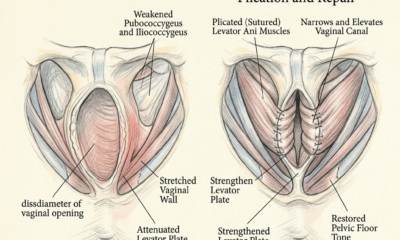
Virgin Tightening Surgery Before and After Pictures
-

 Surgeries8 months ago
Hymenoplasty Surgeon in Rawalpindi
-

 Surgeries7 months ago
How Much Does Hymen Restoration Cost?